
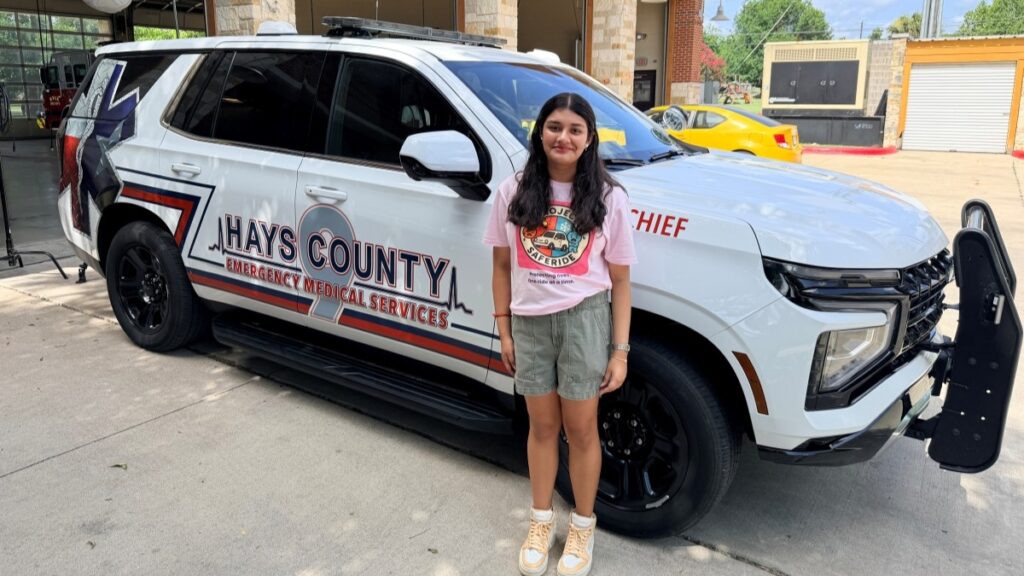
Meet Daily Point of Light Award honoree Sailee Raja. Read her story, and nominate an outstanding volunteer or family as a Daily Point of Light.
Since 1998, more than 1,000 children in the United States have died after being left in hot vehicles, with each one of those tragedies being preventable. Sailee Raja first learned about the danger when she was 7 years old, when she moved from California to Texas and noticed how intense the heat could be inside a parked car.
Now 17 and a high school senior in Cedar Park, Texas, Sailee founded Project SafeRide in June 2025 to teach families to check the backseat for children, pets, even groceries. Since then, the youth-led initiative has launched a free reminder app and expanded its outreach to 30 cities across the country.
What inspired you to start Project SafeRide?
I was born and raised in California, and when I moved to Texas at 7, I immediately noticed that the heat was on a completely different level. As I learned more about the dangers of extreme temperatures inside parked vehicles, I was shocked by how quickly a routine moment can turn into a preventable tragedy. What surprised me most is that these deaths are 100% preventable, yet a lot of people believe it’s rare and would never happen to them. That’s the biggest problem.
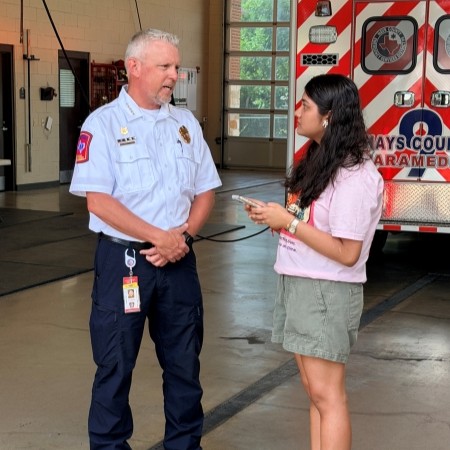
What inspired me to act was realizing that awareness can make a difference. Something as simple as building the habit of checking the backseat can help protect children, older adults, people with disabilities, and pets. I wanted to turn a simple safety reminder into a larger effort focused on education, advocacy, and prevention.
What does your role as founder involve?
My role mainly includes community outreach, government advocacy, public education, and program development. I work directly with local and state leaders to raise awareness about pediatric vehicular heatstroke and advocate for clear hot car safety policies. I also coordinate awareness efforts with cities, participate in community safety events, create educational campaigns and resources online and offline, and build partnerships with first responders and other community organizations. On top of that, I manage Project SafeRide’s day-to-day operations.
How do you spread the word in your community?
Social media is Project SafeRide’s biggest tool. We have multiple campaigns going, including the Zero Series, the Billboard Series and Look Before You Lock. I also attend community events at elementary schools and around holidays like July 4 and Christmas. When I talk to parents, I hand them a small card with the Project SafeRide name and a QR code so they can learn more about what we’re working toward.
How has Project SafeRide grown since you launched it in June 2025?
At first, it was just social media and getting the app out so people could use it. Around March 2026, it grew into government advocacy. I gave a public comment at my local city hall about hot car awareness, and that led to a proclamation recognizing May 1 as Hot Car Awareness Day. I also worked with the city of Kyle, Texas, on a heatstroke PSA, which led to another proclamation. Since then, I’ve been working with cities across the country, and we’re now in 11 states, doing things like PSAs and public comments that lead to proclamations recognizing Hot Car Awareness Day.
How do you get adults and officials to take a student advocate seriously?
I love this question because I’ve experienced not being listened to by adults. My biggest advice is to know your subject. Being really immersed in it helps you advocate to adults. I’ve done a lot of research on hot car deaths, and that’s how I’m able to speak at city hall. If you’re starting out as a young changemaker, it’s important to know your concept really well.
What’s been the most rewarding part of your work?
Seeing this idea turn into real-world impact, whether that’s working with city leaders, collaborating with first responders, or speaking with families at community events. People have come up to me and said that whenever they see something about hot car deaths, they remember our social media campaigns. Knowing that a simple conversation or reminder could save a life is what means the most to me. I also love seeing young people realize they don’t have to wait until they’re older to create meaningful change.
What are your long-term goals for Project SafeRide?
I want to grow it into a bigger national safety initiative that combines education, advocacy, and technology. I hope to keep expanding community partnerships and working with government leaders on clear vehicle safety policies. I’m already working with the Texas Senate on this, and I’d like to work with even more states. Ultimately, success would mean fewer preventable deaths and a culture where checking the vehicle before walking away is just normal.
Any advice for people who want to start volunteering?
Start with something you really care about, and don’t wait until you feel completely prepared. You don’t need a title, a large organization, or years of experience to help someone. Reaching out to a local organization, attending a community event, or simply offering help is community service. My biggest advice is to start small, stay consistent, and be willing to learn. And just like I mentioned earlier, know your subject really well. Some of the most meaningful opportunities come from taking initiative.
What do you hope people take away from your story?
You don’t have to be a certain age to start volunteering or making positive change in your community. You can start whenever you’re passionate about something and ready. Age shouldn’t be a barrier, and I hope people check the backseat.
Do you want to make a difference in your community like Sailee? Find local volunteer opportunities.