
Meet Daily Point of Light Award honoree Lisa Patten. Read her story, and nominate an outstanding volunteer or family as a Daily Point of Light.
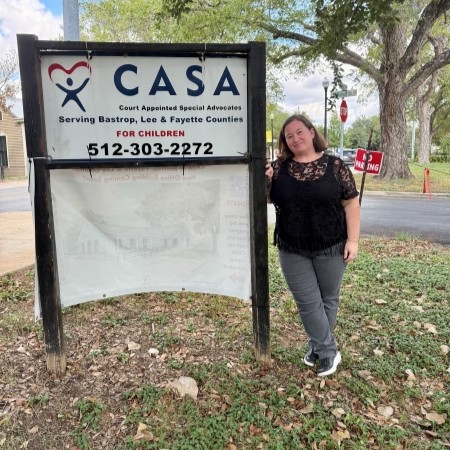
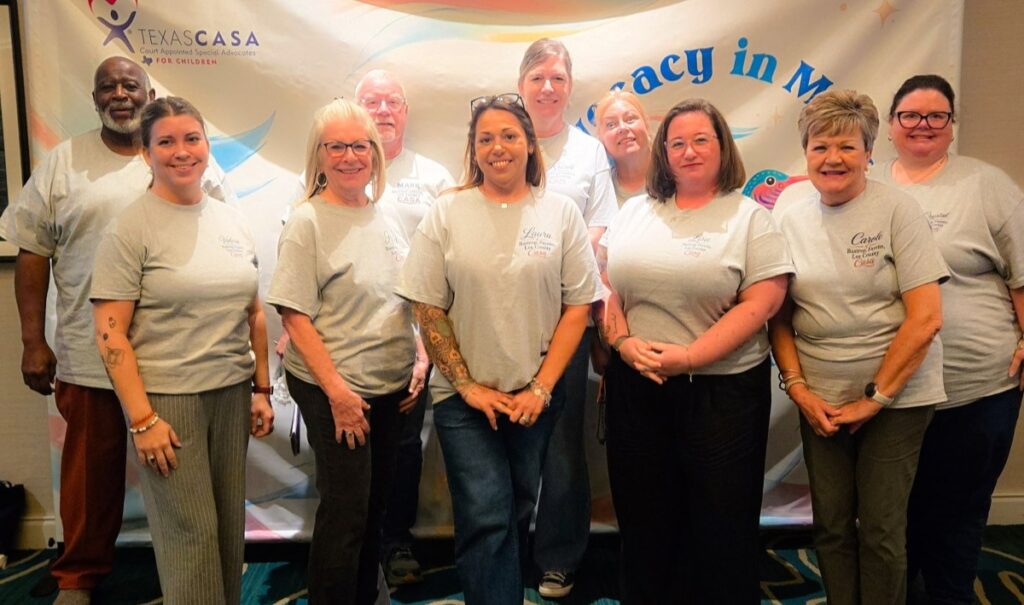
Lisa Patten had never worked in child welfare before, but she knew she wanted to help make a difference. That was all that was needed to start her groundbreaking experience with volunteerism. A Navy veteran, Lisa was used to moving frequently. When she landed in Bastrop, Texas, she wanted to integrate herself into the community. She applied to several volunteer roles and heard back quickly from CASA of Bastrop, Fayette, & Lee Counties. CASA, which stands for Court Appointed Special Advocates, is an organization that improves the lives of children who experience child abuse and neglect by providing CASA-trained advocates to support them and their families involved in the child welfare system.
When a child is removed from their home because of abuse or neglect, or their family enters the child welfare system for any other reason, Lisa is appointed by a judge as a Court Appointed Special Advocate to get to know them as a person and make sure the court does too. She serves as a liaison with foster parents, caseworkers, teachers, therapists, doctors, attorneys, and the children’s families. Whether the child needs a medical evaluation or a little extra help in school, Lisa is there to advocate for them. She chronicles her experiences inside the welfare system in her Substack and has even created a coloring book for young children in care, titled “You Are Unforgettable: A Big Feelings Coloring Book with Carl the Elephant.”
In the last two years, Lisa has advocated for nine children across four cases, volunteering more than 300 hours. In addition to the time she’s spent with the children, she has also built her own analytics system that tracks each case. This important system flags any required monthly advocacy that is missing, ensuring nothing slips through for a child. Lisa’s role also serves as an important one because she recruits new advocates, providing a web of adults that serve as a support system for children in need.
What inspired you to get started with this initiative?
We moved to Bastrop four or five years ago. I’m a Navy veteran, and I really fell in love with the community. I like to immerse myself in a town when I live there. I had been looking for ways to volunteer, and I found four or five opportunities, and I submitted to all of them. CASA was one of the first and fastest to reply, so they made the process nice and easy. Once I really learned what they did, I felt like I had to do it. I felt someone needed to do this work.
Tell us about your volunteer role with CASA.
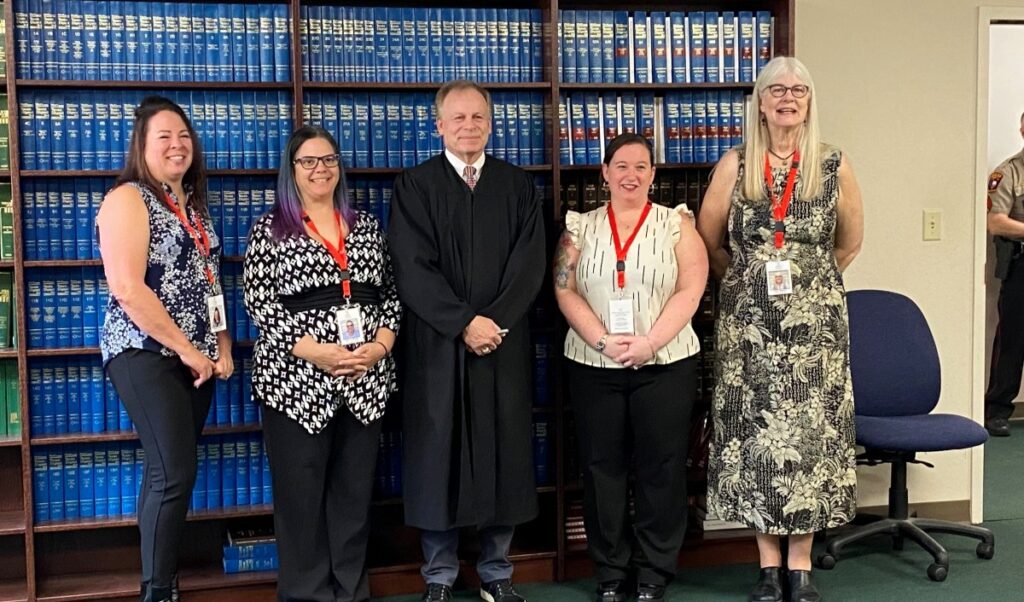
My organization serves Bastrop, Fayette, and Lee counties. I have been sworn in and appointed by our county judge to advocate for children who are in foster care. That means they have been removed from their home in some way, shape, or form by the Department of Family Services. My day-to-day involves meeting with the children and the legal parties on the case that I’ve been assigned, and then I take the needs and best interests of the child back to the judge and advocate for the child.
What inspires you to volunteer?
I really believe that if we want to make a difference, if we want to make change, if we want to inspire, we can start with the people who live next door to us. I think we all have some duty to help the community that we live in, and specifically, I feel, the one that I raise my family in. So if I want to raise my family in a good community, I feel an obligation to serve it. If you want a village, be a villager.
What are your long-term plans or goals for the organization?
I will always do casework because I really enjoy it, and that’s as close to boots on the ground as you can be. But recently, I’ve really started expanding it. I’ve joined our organization’s legislative action team as we go into the 90th legislative session here in Texas and Bastrop. I do hope to eventually find myself in Austin advocating for the policies that would benefit the kids in our area. I have started a publication where I write about the work. My husband would call me an advocate for advocates, where I share what it is to do this work, why it’s so important, and the amazing impact that we can make on a greater level. I do the work in my small community, but now I want to expand my reach.
What’s been the most rewarding part of your work?
That’s so easy! It’s the kids. It’s every time a foster or a biological parent or a family member or a family of origin sends me a picture of these kids thriving or learning or improving or healing. Spending time with family that we weren’t able to connect them with previously. These kids are mostly six and under, so I often picture myself when this kid is five years old, and I’m advocating for where I know is the best place for them to live and be permanently. I picture them in high school, graduating, and who is sitting in the audience for them. I just try to make that happen for as many people as possible.
What have you learned through your experiences as a volunteer?
I’ve learned a lot of compassion. I’ve learned a lot of empathy. I’ve learned that not everyone’s home will look like my home, and that’s okay. I’ve learned that being poor is not a crime, and I’ve learned that a lack of resources is practically an epidemic. At the end of the day, we all want the same things. We all want to be there for our families and raise them as best we can, and it’s about providing the right resources and services to help people get there.
Any advice for people who want to start volunteering?
We’ve moved around a lot being a military family, so the first thing I do is go to where the resources are. Every town has a Department of Public Health. They all have a town website. Even if that’s outside of your reach, go to community events. What you’ll find is someone willing to talk about what they do over and over and over again. If you just mingle in your community, you’ll find the other volunteers before you find the organizations. If you just go out there and be open to what other people are doing and hearing what they’re doing, you’ll find a good fit.
What do you want people to learn from your story?
I would want people to learn that we’re never too old to learn a new skill. I had never been involved in child welfare before this advocacy and volunteer work. I was an English major. I have an MBA. I work freelance in operations. I would just urge people to explore it anyway. “No” is always a perfectly fine answer, and people are so grateful for the help you can provide. Not only that, but it’s so satisfying and fulfilling.
Do you want to make a difference in your community like Lisa? Find local volunteer opportunities.