The fourth annual celebration ofThe George H.W. Bush Points of Light Awards honored incredibly inspiring individuals who are making sizable impacts on their communities and in the world.
José Andrés is an internationally recognized culinary innovator, New York Times bestselling author, educator and humanitarian. He was named one of Time Magazine’s “100 Most Influential People” in both 2012 and 2018 and awarded the 2015 National Humanities Medal from President Barack Obama.
As the chef/owner of the award-winning José Andrés Group, Andrés has been a pioneer of Spanish tapas in the United States and is also known for his groundbreaking avant-garde cuisine. Recently launched in 2021, José Andrés Media specializes in television, books, podcasts, and digital content with a focus on food- and culture-related stories. As a naturalized citizen originally from Spain, Andrés has also been a tireless advocate for immigration reform.
Andrés’ nonprofit,World Central Kitchen, has provided essential goods and services in the realm of disaster relief. FollowingHurricane Ian, the organization provided more than 800,000 meals in just the two weeks to the people of Florida. The team has continued to provide meals to people in crisis on six different continents, including responding to the war in Ukraine by providing hundreds of millions of meals to displaced people.
World Central Kitchen has also partnered with thousands of restaurants, farmers and community leaders around the country to combat food and nutrition insecurity, laying the groundwork for smarter national food policy.
Points of Light is proud to recognize Andrés as a changemaker who is driving significant and sustained impact through his efforts.
Three Ways to Relieve Food Insecurity in Winter
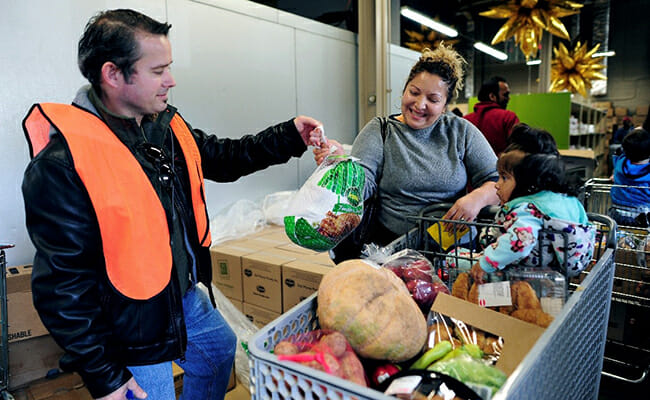
Food insecurity in the United States is a year-round issue, but during chilly winter months the situation can become especially fraught. From severe winter storms that leave grocery stores depleted and cause shipping delays, to food pantries that don’t have enough goods to serve unhoused populations, to increased utility costs that leave Americans pinching pennies, food insecurity is particularly problematic at this time of year.
Fortunately, a host of organizations and initiatives exist to shed light on this issue. You can join the effort to put an end to food insecurity by using a couple of key elements from Points of Light’s
Donate to Organizations Addressing Food Insecurity
There are countless nonprofit organizations devoted to ending food insecurity in the United States. You can donate money or food itself — just ensure that the organization is accepting the type of food you’re donating. Or you can take another creative route like Daily Points of Light
to spread awareness about food insecurity on social media, petitioning for funding for your local food pantry or promoting the organizations working to solve this issue. Volunteering and donating are just two ways of effecting change. Your voice matters, and how you use it can have a critical impact.
by food insecurity, which points back to the systems and structures that leave them unsupported. So if you’re able to donate, volunteer or use your voice to support a BIPOC-led initiative, you can help empower these organizations and their leaders with your time, effort and resources.
Tackling Hunger One Meal at a Time: How Food Lion and General Mills are Fighting Food Insecurity
In the United States, more than 41 million people, including nearly 13 million children, struggle with hunger. That means
, hunger — an often unseen issue — affects individuals of all ages, demographics, and backgrounds, and is often tied with other issues of poverty and economic insecurity.
Two members of the Points of Light
, Food Lion and General Mills, are going above and beyond to address hunger and food security in the communities where they do business. With ambitious goals to improve situations of hunger in the United States and around the world, both companies are working to strengthen food security through employee talents, industry leadership and corporate resources.
Food Lion
As a leading grocery store chain in the United States,
is certainly familiar with the ordering, processing and selling of food. However, in 2014 the company realized that in the area of hunger and food security, it could be doing more.
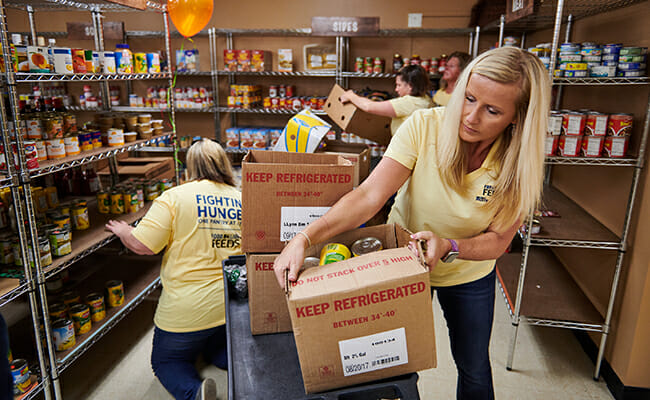
was born — a philanthropic platform powered by Food Lion and operated in partnership with 30 Feeding America food banks across 10 states. Through this initiative, Food Lion works to feed those who are hungry by leveraging its unique position to provide food, product donations, equipment and volunteers to food banks and nonprofits, supporting mobile food pantries to increase access to meal services, and increasing awareness about an issue that often lives closer to home than most are aware. To celebrate its 60th anniversary, Food Lion hosted
and rebuilt and restocked 60 individual food pantries. The volunteer-fueled initiative resulted in more than 2.5 million meals donated and 2,000 volunteer hours for Food Lion associates.
Food Lion is also using its presence in communities and online to raise awareness about hunger and food insecurity. Food Lion encourages its wide range of stakeholders – employees, customers, community members, and more – to take action by volunteering, giving spare change, or donating the extra canned goods in one’s pantry to collaboratively solve this widespread issue.
Thanks to the support of this network, and the company’s strong commitment to the cause, Food Lion has donated more than 370 million meals since 2014 and is its way to donating 500 million meals by 2020.
General Mills
If you’ve ever snacked on Chex Mix or treated yourself to Häagen-Dazs, you’re familiar with the
in the countries where they do business. As experts in food production and processing, the company has taken advantage of these unique strengths to spearhead initiatives around the world aimed at strengthening food security. Since 2010, General Mills has enabled the donation of more than 200 million meals to people in need.
Working with Feeding America, General Mills has also focused on another important food-related issue: waste. MealConnect™, an online platform enabled through this partnership, allows food providers to catalogue their excess food, which is then donated to food banks and local nonprofits, and in turn distributed to people in need. Thanks to the company’s support, MealConnect has
.
General Mills is also dedicated to ensuring all students are on the path to success. Because youth are often affected by issues of food insecurity to an even higher degree, the company works to increase access to nutritious meals for students around the world. Working with the
in India, General Mills is both increasing access to school lunch and making these meals more nutritious. And in partnership with the Food Research and Action Center, it has helped increase breakfast access for students who qualify for free and reduced lunch – a habit that has been shown to
Food Lion and General Mills are just two examples of corporations that share a commitment to ending hunger in our world and ensuring communities have the resources they need to be healthier and more resilient. Does your company exemplify corporate citizenship, have an incredible team of employee volunteers or make a strong impact in the community? Consider joining the Corporate Service Council today.
Seattle Nonprofits Will Unite Against Childhood Hunger at Conference on Volunteering and Service
During the annual Conference on Volunteering and Service, thousands of nonprofit, government, business and civic leaders gather to discuss the future of volunteerism, and to showcase the true power and impact of putting people at the center of change. And each year, Points of Light organizes a service project that supports the local community and addresses a pressing need. In 2017, the Conference will take place in Seattle – a unique city for Points of Light, with two HandsOn Network affiliates: Seattle Works and United Way of King County.
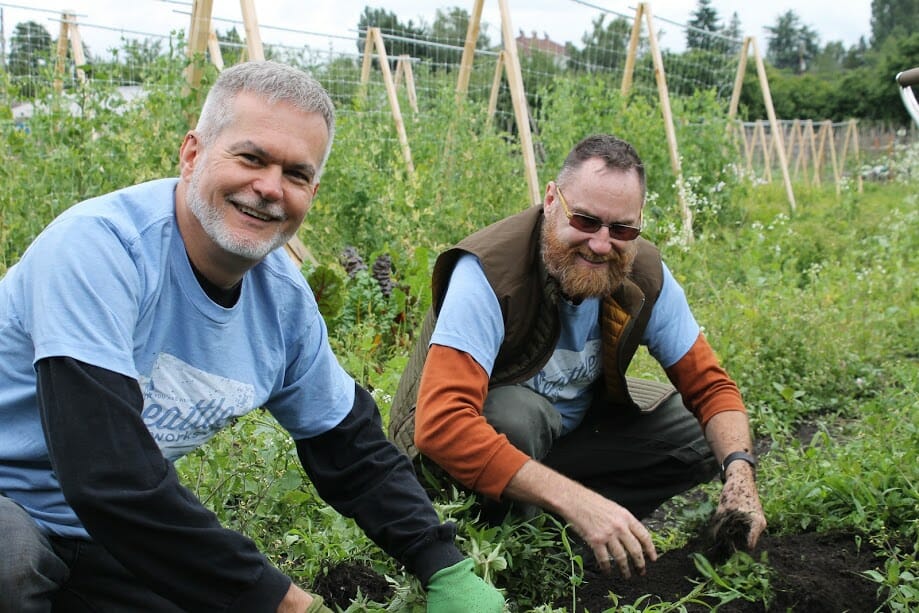
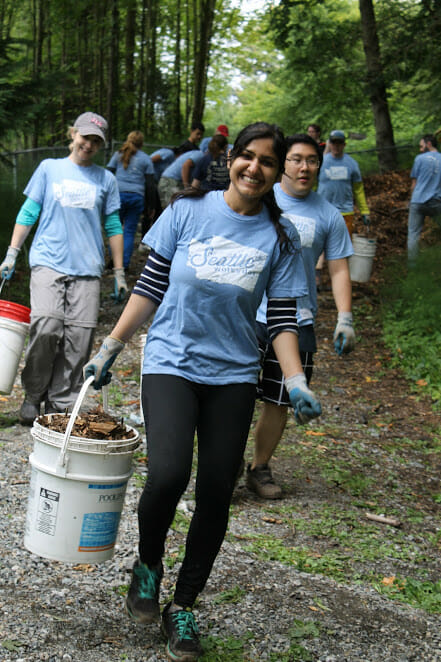
On June 17, attendees can kick-off their Conference experience by participating in a service project collaboration – “Fuel Up For Kids” – with our local affiliates. United Way’s Fuel Your Future program connects kids to nutritious food year-round, and Seattle Works Day is an annual day of service that supports more than 60 local nonprofits and engages thousands of volunteers. This project is the perfect mashup between our Seattle affiliates and enables Conference attendees to have a direct impact on the local community.
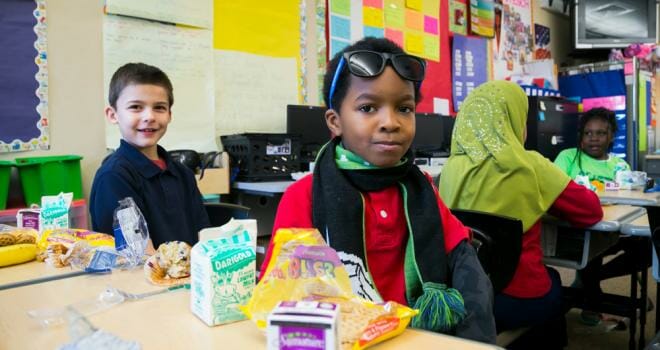
In King County, 1 in 5 kids regularly goes hungry. Many of these children eat free lunch at school; however, many families do not know free lunches are available throughout the summer in many city parks. To raise awareness of these summer programs before school lets out, Conference volunteers will join the United Way and Seattle Works to host a free lunch giveaway and party in a city park.
“It is a perfect example of the way two organizations can come together for the greater good,” said Chloe De Wolf, development and communications manager for Seattle Works.
Founded in 1989, Seattle Works’ main objective is to harness the altruistic and philanthropic tendencies of Seattle’s young adults. Beyond Seattle Works Day, the organization focuses its efforts on generating mutually beneficial relationships between nonprofits and volunteers, promoting a fun and social atmosphere.
Chloe explained that “at our core, we believe that volunteering should be impactful and fun.” To that end, the organization designs volunteer programs with an emphasis on social connection in addition to community service.
Team Works, one of the organization’s signature programs, achieves this outcome. The team-based nonprofit support initiative takes place over a 4-month period, once in the spring and again in the fall, and engages teams of volunteers in four projects organized by Seattle Works and a nonprofit partner. After each project, teams are encouraged to take part in some form of family-friendly social activity – visiting one of Seattle’s many local breweries is a popular option.
Since launching the program in 2010, Seattle Works has engaged 4,054 volunteers through Team Works and has already activated 138 volunteers in 2017.
Like Seattle Works, United Way of King County focuses on making volunteering easy and fun, whether they are organizing an individual project or a company-wide day of service. And with so many local children going without the food they need, many of their events and days of service focus on childhood hunger.
“United Way has been involved in ending childhood hunger since 2009, when we developed a response to the recession,” said Lauren McGowan, senior director of ending homelessness and poverty for United Way of King County. “Today our Fuel Your Future program is a key strategy in our work to make sure families are financially stable.”
The Fuel Your Future program is a major voice for advocacy in the region, both helping schools arrange the necessary staffing and resources to provide children with food, and raising awareness of the hunger initiatives and resources available to local schools and families.
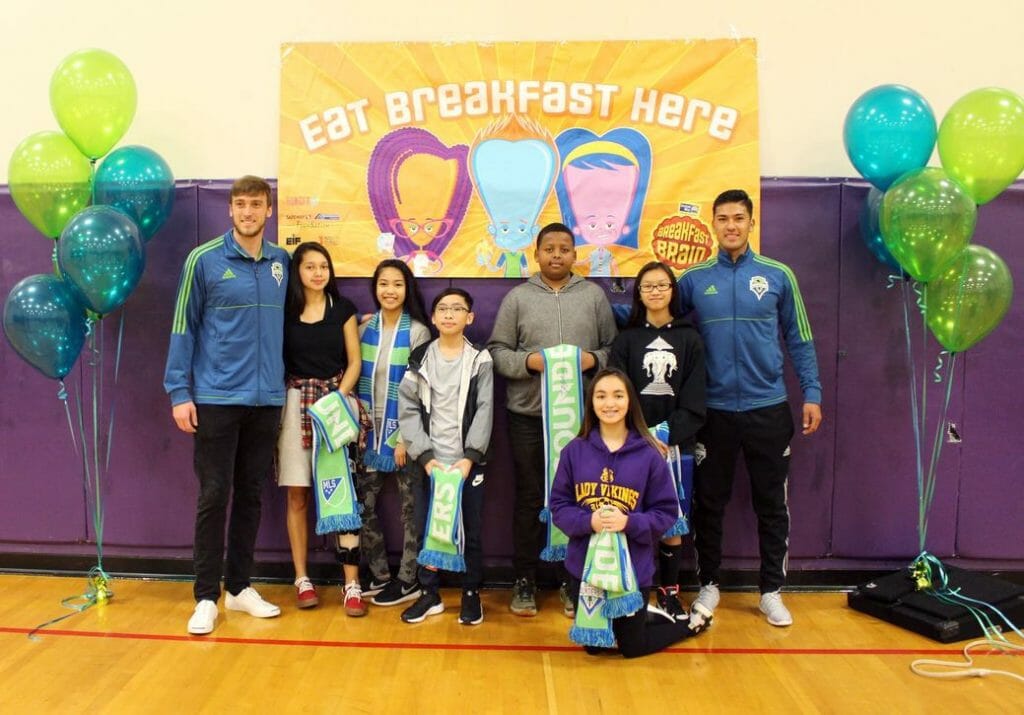
With the help of corporate partners, United Way provides incentives for King County schools to deliver quality nutrition to their students. One example is the Breakfast Challenge, which operates with the support of the Seattle Sounders, a professional soccer team. The program creates friendly competition between school districts, encouraging them to feed more children by reducing barriers – like fighting the stigma that surrounds accepting free meals, or reminding parents to get their children to school on time. Schools can also compete based on the availability and thoroughness of their nutrition education programs. Winners receive a trophy and a special visit from the Sounders.
Since the initiative started in the fall of 2015, 1,000 additional students are eating breakfast every day, 3,000 more students are getting nutrition education, and an additional 1,000 students are eating meals after school. Other events, like the Summer Food Invasion program, where families come to eat, partake in sports activities and literacy programming, and learn more about Fuel Your Future, help increase the program’s reach and impact in the community.
Both organizations are excited about the potential impact that their collaboration will have on hunger and the overall welfare of the greater King County region.
“We are thrilled to be partnering with Seattle Works and Points of Light to launch our 2017 Summer Food Invasion campaign,” Lauren said of the upcoming Conference service project collaboration. “This partnership will help raise awareness about the issue of summer hunger and that free meals are available all summer long.”
Fighting Hunger by Connecting Do-Gooders with People in Need
Across America, 48.8 million live in households that face hunger on a regular basis – 13 million of those people are children. Food insecurity can have a significant impact on the health and general well-being of the families affected by it – especially children, as limited access to nutritional food can stunt growth and critical brain development. Community organizations everywhere are taking action to find solutions to this public health crisis – Volunteer Alexandria, a Points of Light affiliate, is one of these organizations.
A 2014 report conducted by the Alexandria Childhood Obesity Action Network revealed that of the more than 139,000 residents of Alexandria, Virginia, 8.6 percent live below the poverty line. Of those residents, more than 13 percent are below the age of 18. To combat this, the Hunger Free Alexandria Coalition was formed and Volunteer Alexandria, an active member, is putting volunteers at the center of the solution.
“We believe, first of all, that we are better together,” said Marion Brunken, executive director of Volunteer Alexandria. ”We like to make connections that make sense to the community and to the group or individual seeking to get involved. In regards to the hunger issue, we support the fight against hunger by connecting people.”
The organization, positioning itself as the conduit for impassioned volunteers to connect with opportunities to address pressing causes in the Alexandria community, is doing this in a variety of ways.
Any organization, congregation, or community group can submit hunger-based projects to be posted on the Volunteer Alexandria website, where volunteers can click on the Hunger in Alexandria tab to find current opportunities. Opportunities include delivering meals and groceries to homebound people, gleaning left over products from local farmers markets, and handing out groceries at several locations throughout Alexandria. The organization has also launched a new effort that helps connect local companies that have extra food with the community in need.
When Marion heard from a community member that many students playing sports at T.C. Williams High School go home to barren cupboards, she saw an opportunity. Companies in the area could donate food and money to help make sandwiches, which the coaches would distribute to their players after practice.
Several companies have joined the cause, including a local Whole Foods that is donating food and gift cards, and Port City Brewery, which is helping to coordinate food drives at local grocery stories. And for one company, this project has been an inspiration to do even more.
For Megan Hurst, owner of The Great Harvest Bread Company, this project was an ideal opportunity to help her community. The company’s nationwide motto is “give generously to others,” and Megan’s Alexandria franchise lives up to these words by contributing 10 loafs of good quality bread per week to the Volunteer Alexandria program – enough to make about 70 to 80 sandwiches.
“It’s not an enormous expense for me to make some extra loaves of bread,” said Megan. “And if that’s a way that we can serve our community, serve kids, then that’s great.”
Megan hopes to use this program to engage more community members in volunteer service. She has reached out to church youth groups to recruit volunteers, using Volunteer Alexandria’s model of “make a sandwich for yourself, make a sandwich for a friend” approach. This fills two needs: helping feed hungry children who are not involved in the sports teams, and supporting Megan’s desire to serve more with her current resources.
There are “plenty of schools and kids in need locally, so we would like to be able to at least give them good bread,” said Megan. “I can’t do always do the rest of it, but [I can] give them good bread.”
Currently, more than 60 students are fed each day by this program and, through additional community support, Volunteer Alexandria will hopefully be able to serve more students soon.
Marion hopes to engage more volunteers by using a cause-first model, spreading news of social impact opportunities in addition to one-time volunteer projects. Through this model, she hopes to mobilize more youth volunteers, including other students at the high school, in making sandwiches to support their classmates.
By putting people at the center of the solution, Volunteer Alexandria is empowering citizens to take charge of the issues plaguing their communities. The result is a more resilient community, more willing and able to address the needs of their neighbors.
Kids and Teens Can “Make Their Mark on Hunger” Through Innovative Service Projects
Did you know that 1 in 6 Americans face food scarcity? That includes 15 million kids under the age of 17 who are not getting the food they need.
But kids and teens also have the power to provide solutions to hunger-related issues – which is why generationOn, the youth division of Points of Light, is launching the third annual Make Your Mark on Hunger campaign. Sponsored by C&S Wholesale Grocers, the campaign challenges kids and teens to fight hunger through service projects in their communities.
To support this work, 22 grants were awarded nationwide to innovative youth-led service projects that are helping to solve the real hunger-related issues our communities are facing. Here are just a few of these incredible grantees:
Kate Atschinow of Highland Park, New Jersey, runs a foundation called Cutting Out Hunger. She uses the concept of extreme couponing to purchase food for her local pantry at deeply discounted prices. To date, she’s donated more than $40,000 worth of food. She also teaches community members about couponing, helping those in need to become more self-reliant and face food insecurity with more empowerment and dignity.
Parker Romney of New Albany, Indiana, is working with 15 youth volunteers to assemble and plant indoor dirt-less aeroponic tower gardens in three local elementary schools, helping to provide fresh produce to children year round. After hosting a food drive and seeing the often low quality of donated food, Parker decided to help kids in need learn about healthy eating. Since children are often out of school when a “traditional” garden is ready for harvesting, this year-round method gives children the opportunity to learn to plant, grow, harvest and eat healthier than they are used to.
Lauryn Hinkley of Bismark, North Dakota, runs an annual peanut butter and jelly drive for her program, One Backpack at a Time, to collect food for children who rely on school-provided meals during the week and often go without food on the weekend. Peanut butter and jelly are the most expensive items in the backpack, so without donations from people like Lauryn, organizations would not be able to include them. To date, Lauryn has collected more than 15,000 pounds of peanut butter and jelly to supply meals to children in need.
There are so many ways for kids and teens to make an impact, help the hungry and learn more about the needs in their community.
The Make Your Mark on Hunger campaign runs from March 15 through April 30. Visit www.generationOn.org/hunger to sign up, download materials and share your story for a chance to win grants.
How You Can Help Fight Childhood Hunger This Summer
Summer is almost here! This is the season to enjoy endless fun in the sun with sunscreen, flip flops, and cold beverages. But if you’re one of the 15 million children living in food-insecure households, surviving summer means finding a way to not go hungry. School is often the most reliable place where kids can get a meal. With the end of the school year approaching, the fight against childhood hunger becomes especially urgent.
As a volunteer, you can play a big role in achieving hunger relief. Whether you choose to volunteer at a local food bank, host a food drive or engage your civic leaders around childhood hunger – you can make a difference for hungry kids this summer.
Here are three things you can do to help fight hunger this summer:
Be a Champion: Take the Vote to End Hunger pledge, and inspire your friends and family to do the same.
Use Your Skills: Whether you are a marketer, teacher or computer coder, share your professional talents with hunger organizations to help increase their effectiveness.
Get inspired by stories of these volunteers who are fighting on the front lines to end hunger:
“Urban Farming”
Nashville teen Camryn Magsby, teaches kids about urban gardening, meal planning and healthy nutrition.
“Bags of Kindness”
Braeden Quinn Mannering, age 12, provides homeless individuals with brown bags packed with healthy food and water.
“A Family Affair”
The Chung family shows that you can fight hunger, no matter your age.
“Tech for Good”
College student Maria Rose Belding built an interactive website to help facilitate distribution of fresh, healthy food to food pantries.
This post is by Will Lourcey, youth advisory council member for generationOn, and originally appeared on the generationOn blog.
What can a kid do to fight hunger? That was a question I asked myself when I was 7 years old. I saw a man on a street corner holding a sign that read, “NEED A MEAL.” It made me realize that I needed to do something about it. But what could I do? I was only 7 years old.
Well, it turns out a kid can do a lot. I founded the youth-led nonprofit, Friends Reaching Our Goals, or FROGs for short. FROGs has inspired hundreds of kids to take action in their community, and has provided more than 200,000 meals for the hungry.
Here is my simple recipe for changing the world!
See a Need – I saw a man standing on a street corner holding a sign that read “NEED A MEAL.” Do you see a need? Is there something in your community that could be improved or solved? Identifying a need is the first step.
Be a Doer – My motto is, “Be a doer, not a watcher.” Being a doer means acting and not waiting for others to address a problem. I could have waited and hoped that someone else would help the hungry man, but I didn’t. I acted.
Make a Plan – Decide who you might want to partner with to make the biggest impact and learn more about the issue or problem. I scheduled a meeting with the local food bank to educate myself about the issue of hunger and the things I could do to help. My goal was to create fun ways to get other kids excited about fighting hunger while creating positive change.
Gather Friends – Next, I gathered friends in my community to form a hunger-fighting team. Everything is more fun when you are with friends! We designed fun events to get our peers involved in fighting hunger. We ran lemonade stands, yard sales, video game parties, baseball and soccer tournaments, and dodgeball events to generate awareness about the issue of hunger and raise funds. FROGs would not be successful if it weren’t for this group of people coming together to make a difference in their community. I’ve learned that I can’t do everything by myself but that with my friends, anything is possible.
Change the World – This was the easiest step because any action, no matter how big or small, has the potential to make a positive impact. By being doers, we are changing the world! When you act, you create a ripple effect and other kids get inspired.
Now is your chance to become a doer. Follow this recipe for creating change in your community by participating in generationOn’s Make Your Mark on Hunger campaign. They’ll guide you through everything from creating a garden, to hosting a food drive, to holding a volleyball tournament — all of which can help you fight hunger!
My advice to kids who want to improve their community is to act. Choose to do something rather than waiting for someone else. Always remember: No matter how tall or small you are … you can make a big difference! You’ll be amazed at how many people will join your efforts and help. All you need to do is choose to be a doer and follow the recipe.
Here’s What a Boy Did When He Found Out Kids Were Going Hungry in His Affluent Community
Living in one of the country’s most affluent areas – Orange County, California – Alex Triestman was shocked when he learned in elementary school about the plight of one of his friends. That child was struggling in school, in part because he did not have enough food to eat.
Alex Triestman
“It’s ridiculous that we have kids who are hungry,” said Alex, now 13. “The U.S. has enough resources to feed citizens, but we are not.”
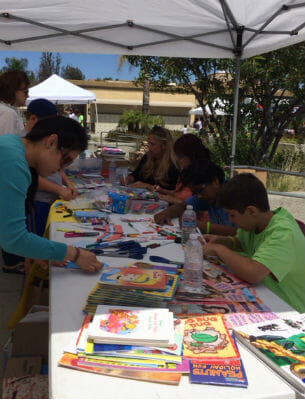
Last Saturday, Alex led a student-run nonprofit fair at Don Juan Avila Middle School in Aliso Viejo, California, where he is a student. BASH, which stands for Broncos Annually Stop Hunger/Homelessness (the bronco is the school mascot), hosted an interactive day of projects to teach students how they can help combat hunger and homelessness.
The fair was part of
that challenges kids and teens to address child hunger through meaningful, hands-on service in their communities. For each youth engaged in service, the
, up to 20,000 meals.
As part of the BASH fair, students made birthday cards, toys, party favors and bookmarks for programs that serve homeless children and donated food to a food bank. The event included music and food trucks, which committed to donating 20 percent of sales to the participating charities.
Alex launched BASH with support from fellow members of the Peer Assistance Leadership club, which includes about 40 fellow students from his school, in the seventh and eighth grades.
Volunteers came out to the BASH fair to make birthday cards, toys, party favors and bookmarks for homeless children.
He and his club members organized the fair, in part, to raise awareness of the roughly 30,000 people living with homelessness and hunger in Orange County.
Alex, who has been volunteering and heading up projects since elementary school, has lead book drives for military families, food pantry collections and fundraisers for pediatric cancer patients.
He was first moved to start fighting hunger when he visited a food bank near his home at age 6.
“I saw that kids were not going to get my favorite food of mac-n-cheese,” he said. “This made me realize the problem was close to home.”
His mom, Joanie Triestman, describes Alex as “an old soul” since preschool. “He’s always thinking of others and thinking about the problems in society.”
Alex believes the key to fixing the hunger problem in a place of plenty requires raising awareness.
“You would think this problem wouldn’t exist here, but it does,” Alex said. “My project will make a difference not only for kids but for adults to wake up to the reality of what goes on even in our own school district where there are 3,000 homeless students.”
Alex’s message to adults and kids alike: “Think of others besides yourself. Everyone can make a difference.”