Ask a CSR Friend: Engaging Employees in Disaster Response
Looking for CSR advice?
Hear from our experts right here in our Ask a CSR Friend monthly column.
Whether you’re a novice or a seasoned pro, we know collaboration is key to creating vibrant workplaces where employees are equipped to contribute to the communities and causes they care about. So, when you need a trusted advisor to lean on, rely on Points of Light to be Your CSR Friend. Each month, our experts share their wisdom and wit to address a specific but often universal challenge related to your work as a corporate social impact practitioner.
Have questions about employee community engagement? Submit your question and it may be featured in a future blog post.
Dear CSR Friend,
I’m a newer CSR practitioner and was caught off guard last year when severe flooding impacted nearby communities. While our operations weren’t disrupted, employees kept reaching out, asking how they could help, and I didn’t have a clear plan or resources ready to guide them. With the Atlantic hurricane season now underway, I want to be better prepared. How can I quickly and responsibly engage employees in disaster response and recovery, while also setting us up for a more proactive, community-focused approach moving forward?
Signed,
Course-Correcting in Charlotte
Dear Course-Correcting,
As CSR professionals, we know that natural disasters can create a ripple effect across operations, our employees’ lives and the communities we serve. But more than just a reactive moment, disaster response is a strategic opportunity for companies to show up with empathy, efficiency and impact.
The most effective disaster responses are not designed in the moment—they’re built well in advance.
That means forming a cross-functional disaster response team (including CSR, HR, operations, facilities and communications) and developing a clear plan before disaster strikes. Review it annually and ensure every relevant function understands their role in a coordinated response. For help creating a plan, check out
.
In crisis moments, employees naturally want to help. It’s our job to channel that desire into responsible and impactful action guided by community needs, company capabilities and nonprofit partner guidance. As you prepare for what may come this season, here are key strategies to help you meaningfully and responsibly engage employees in disaster response and recovery:
Prepare Year-Round: Build Readiness Before a Disaster Strikes
Form a Cross-Functional Disaster Response Team
Engage key internal stakeholders such as CSR, HR, communications, compliance, security and operations in developing and regularly updating your disaster response strategy (sometimes known as a business continuity plan).
Define clear roles and escalation protocols for potential disaster scenarios.
Maintain a Ready-to-Activate Employee Relief Fund
Promote your hardship or assistance fund throughout the year using multiple channels (e.g., onboarding materials, signage, intranet, QR codes).
Ensure the fund is well-resourced and ready to distribute grants quickly when crises hit.
Include multilingual and location-based communications for equitable access.
Plan, Practice and Revise
Conduct scenario planning and tabletop exercises across key teams (e.g., corporate, frontline, regional).
Train volunteer leads in high-impact sites like distribution centers, call centers and retail stores. Ensure all volunteer champions know how and when to plug into the disaster response strategy, so they don’t strike out on their own.
Create inclusive feedback loops after each crisis to identify gaps and iterate on the strategy.
When Disaster Strikes: Coordinate an Empathetic, Impactful Response
Prioritize Employee Safety and Communication
Ensure HR and Operations are prepared to check in on all employees, including shift-based and part-time staff. Use tools like badge swipes, text alerts or designated field leads to confirm employee safety.
Communicate updates and resources through trusted channels, including shift huddles, signage, manager toolkits and digital screens. Share “Building Sustainable Communities,” a disaster preparedness and response guide from Points of Light and The Allstate Foundation, featuring strategies for individual action across the disaster lifecycle and tips on advocating for affected communities.
Stay mindful that communities where frontline employees live are often the hardest hit and employees themselves may need support. Double-down on communicating about your employee assistance or hardship fund.
Lead With Funding
Cash is king in disaster relief. It’s the most efficient way to help communities recover. Communicate this to employees before the requests to host local donation drives roll in.
Launch disaster-specific giving campaigns that are mobile-optimized and accessible to employees across roles and work settings.
Offer company matches and recognize all contributions, big or small.
Support Nonprofit Partners Responsibly
Let trusted community partners guide your employer’s response. Don’t assume what’s needed. Ask first.
Know that bulk, palletized in-kind donations will be your best option when considering products your company can provide.
Be Thoughtful with Volunteer Opportunities
Volunteer opportunities often take time to become available. Wait until nonprofits confirm safety and capacity. Communicate this upfront with employees so they understand the fragile situation on the ground.
Do not allow or encourage employees to self-deploy or send employee groups uninvited. Uncoordinated help can do more harm than good.
When opportunities do arise, consider all these options:
In-person, when safe and locally coordinated.
Virtual and micro-volunteering that supports crisis lines, logistics or language translation.
Group activities that can be coordinated around shifts, especially for hourly teams.
Skills-based volunteering plays a significant role in response and recovery, not to mention building community resiliency. Projects can range from helping impacted residents navigate insurance claims, data mapping road closures and resource needs to more sophisticated support with logistics or restoring internet access.
Tap into all employee skill sets such as logistics, facilities, tech and customer support teams to provide valuable contributions beyond traditional office volunteering.
Once projects are identified, check in with your company’s risk management and/or compliance team to vet the opportunities. Having these relationships in place ahead of time makes it easier to move quickly when needed.
A strong disaster response strategy isn’t just about reacting, it’s about building long-term readiness, trust and resilience. You don’t need every employee to take action, but you do need a thoughtful plan that offers clear ways to help.
When you prepare early, communicate clearly and partner intentionally, your company can respond meaningfully when it matters most.
Until next time,
Your
Navigating Disasters and Crises: A Playbook for Social Impact Leaders
In an era marked by increasingly frequent and complex crises, corporate social impact leaders face growing challenges in responding effectively and creating a crisis management plan. Recognizing this, four leading organizations in the social impact space—
.
This comprehensive playbook is designed to empower corporate social responsibility (CSR), philanthropy and community investment professionals with the tools and strategies needed to navigate disaster response in a thoughtful and impactful way. It introduces a forward-thinking framework consisting of five core elements, each illustrated with real-world case studies from industry leaders.
Five Key Elements of the Framework
Develop a Crisis Response Process: Establishing a robust process before disaster strikes is essential. The playbook features a case study from PayPal, highlighting its rapid response team’s approach. It also provides guidance on forming response committees, defining decision-making criteria and conducting internal reviews to ensure readiness.
Assess the Crisis: Before jumping into action, it’s critical to understand the scope and severity of the situation. Cisco’s case study demonstrates how their response program managed challenges such as the COVID-19 pandemic and cybersecurity threats. This section includes tips on evaluating employee, market and community impacts to prioritize responses effectively.
Determine Whether to Respond: Not every crisis will require or benefit from a corporate response. Using a sample crisis response rubric, this section guides companies in evaluating risks, navigating stakeholder requests and making informed decisions. The insights help social impact teams align their actions with organizational values and stakeholder expectations.
Plan Response Actions: A well-thought-out plan is key to impactful disaster response. The Home Depot’s holistic approach to communication—spanning internal teams, external audiences and partners—provides a blueprint for success. This section also covers how to leverage partnerships, craft scalable communications plans and determine engagement methods, such as financial donations or product contributions.
Implement the Plan and Measure Results: Effective execution and continuous improvement are crucial. Citi Foundation’s case study showcases how it supports multiple disaster response organizations simultaneously. This section offers practical advice on tracking response progress, evaluating the need for additional investment, determining the duration of engagement and conducting post-crisis debriefs to refine future strategies.
Built on Expertise and Real-World Insights
The framework is informed by the collective expertise of social impact leaders, including insights from 15 chief sustainability officers, corporate foundation professionals and nonprofit executives. It also incorporates findings from virtual focus groups and a review of existing tools and techniques. This ensures the guidance is grounded in the realities of corporate disaster response and tailored to meet the needs of corporate social impact practitioners.
A Data Overview of Disaster Giving: Trends and statistics to help organizations benchmark their efforts.
Definitions of Common Types of Disasters and Crises: Clear categorizations to guide response strategies.
Corporate Disaster and Crisis Management Strategies: Holistic approaches to navigating the internal and external complexities of disaster response.
Ready to Navigate the Complexities of Disaster Response?
This invaluable resource is available for free download and promises to be a game-changer for organizations aiming to enhance their disaster and crisis response capabilities. Whether you’re a seasoned CSR professional or new to the field, the playbook offers actionable strategies to make your disaster response efforts more effective and aligned with your company’s values.
With disasters becoming an unavoidable reality, the time to strengthen your organization’s crisis response strategy is now. Download
today and take a decisive step toward building resilience and creating meaningful impact in times of need.
Points of Light Corporate Service Council members, reach out to [email protected] to request access to an exclusive tool that complements the framework and can be adapted to guide your disaster response decision-making.
5 Ways to Make Disaster-Relief Donations Personal and Impactful
ID 319865667 @ Justlight | Dreamstime.com
When natural disasters strike, it can be overwhelming to think about how you can make a difference in disaster aid. For many people, there is a natural desire to do something substantial to help communities in need, but even the most ambitious recovery efforts and good intentions can go wrong in delicate environments. Some families, or even entire communities, lose everything after being hit by a devastating hurricane, super storm, flood, wildfire, landslide or tornado; we witness the stark reality of the word “disaster” come to life.
As the frequency and intensity of natural disasters increases, volunteer efforts must evolve. Clothing, food and stuffed animal donations can sometimes add to, rather than relieve, stress to a community. Instead of donating goods for disaster relief, experts and officials suggest that monetary donations have the greatest potential to address the specific needs of each person and community impacted.
Monetary donations are flexible and provide culturally beneficial support, and they can be used immediately in response to a crisis. Yet, we tend to view monetary donations as less impactful, less caring and compassionate. That’s not the case! Here are five ideas to make donations more personal.
Find Local Ways to Donate
Many reputable nonprofits and organizations, like those in
, are already working toward collecting and distributing funds in the area. Do some research to find trusted organizations using websites like Charity Navigator, GuideStar or
Corporations and organizations have immense potential to make an impact after a natural disaster. Check with your employer and ask if they are able to match funds donated by employees. Many companies have existing donation-matching programs already in place, and others are happy to set up such a program for specific circumstances. You can volunteer to be the campaign chairperson to get your colleagues involved.
Host a Disaster Relief Garage Sale
Do you have items that immediately come to mind for sending to disaster-affected areas? Instead of sending these items, sell them! Gather a few tables and advertise around your neighborhood for a disaster relief garage sale, then donate the proceeds to recovery efforts. Take it to the next level by organizing a community yard sale day, thus increasing the chances of multiplying your impact.
Use a Wish List
Many nonprofit organizations make Amazon wish lists for donors during a natural disaster. This tool allows you to fill in a specific and immediate need for a disaster-affected community. Browse the current wish lists, choose your items to purchase and encourage your neighbors, family and friends to do the same.
Think Long Term
Disaster recovery can take months or years in many communities. Think about the ways you can continue to support these communities over time as they continue to rebuild through a sustained giving plan to a local nonprofit.
3 Ways Nonprofits and NGOs Can Build Resilience in the Face of Disaster
Climate change, along natural and human-made disaster, are revealing the pressing need for communities to become adaptable and innovative. Their growing frequency and intensity are going to demand that the role of nonprofits and non-governmental organizations (NGOs) evolve so that a disaster recovery plan f becomes best practice for every organization. And that ideal holds true, even for organizations with missions that don’t center on disaster preparedness or response. These organizations are being increasingly confronted with the need to pivot and incorporate comprehensive disaster response and recovery considerations into their work, regardless of whether disaster management was initially meant to be a focus or not.
This blog, the final installment in our series around
, explores the interconnectedness of climate change, natural and human-made disasters, and nonprofit and NGO disaster preparedness and response. It sheds light on the urgency of transformation and the far-reaching implications adaptability holds for our collective future, both for communities and the nonprofits and NGOs that serve them.
Climate Change: A Driving Force for Adaptation
Climate change is increasing the frequency and severity of disasters worldwide. Between 2030 and 2050, the
says climate change is expected to cause approximately 250,000 additional deaths per year from malnutrition, diarrhea, malaria and heat stress alone. Areas with weak health infrastructure will be the least able to cope without assistance to prepare and respond.
Recently, wildfires have ravaged Canada and Hawaii, and a 6.8 magnitude earthquake has devastated Morrocco, taking the lives of thousands and leaving survivors and local NGOs to pick up the pieces. In the wake of this devastation, the beacon of hope remains responders whether volunteers or advocates who are focused on rebuilding communities.
Lori Shinton, president and CEO of HandsOn Nashville, remembers her first experience as a new leader with no disaster response experience and the lessons she learned along the way.
Nashville had spent 10 years relatively free of large-scale disaster. HandsOn Nashville recognized that it would be expected to respond if disaster struck, but planning around preparedness and response was on the back burner. And then on March 3, 2020, a tornado struck the city and left widespread damage.
“Our team responded, but we built the plane while we were flying it,” she said. “The result? Staff worked long hours, they were frustrated with the confusion of figuring out what we should be doing, and we were learning in real time about secondary trauma of responding to the disaster.”
A few weeks later, the COVID-19 pandemic began, and the U.S. followed many parts of the world that were already shut down. HandsOn Nashville continued to respond, along with other NGOs in the community. And while the world was learning to live with mitigation measures around COVID, HandsOn Nashville was still actively responding to the tornado. Then, in December, a bomb was set off in downtown Nashville, prompting the necessity of further yet differing responses needed. A few months later, a flash flood struck the city and impacted nearly the same number homes as the tornado. Finally, another tornado wrought localized damage.
“We learned that focusing on preparedness and developing a well-defined emergency response plan was the only way to care for our team and have them prepared for whatever may happen,” recalled Shinton. “We focus on training — quarterly at least — and we have been able to test it in exercises and feel as prepared as we can.”
Being prepared now ensures the community the best services possible while protecting responders from burnout.
, is a resource that offers insights and strategies to empower you to take action before, during and after a disaster. You’ll also learn how to be an advocate for those affected by disasters.
made possible in partnership with The Allstate Foundation, and created by Points of Light.
Beyond Core Mission: Tailoring Services
Nonprofit and NGO leaders know that being adaptable is a key component of success. As natural and human-made disasters become more commonplace, it’s increasingly important to tailor services to address immediate community needs as disasters unfold.
For community leaders who want to find ways to tailor their organization’s response to community needs during disaster, start small by assessing your organization’s strengths. Develop a written plan leveraging those strengths, recognizing that it’s easier to change a plan than to create one in the midst of responding to disaster. Use existing data from trusted sources, like
, to understand the vulnerabilities in your local community.
Often, the most valuable input comes from the community itself. For example, when the COVID-19 pandemic began, the
was forced to shut its doors. Overnight, it went from a buzzing community gathering space to empty and whisper quiet.
Its mission had always centered on providing access to safe, innovative, learning and play experiences, but now that it couldn’t deliver on in-person experiences, the pivot had to be quick and decisive. By being willing to shift its mission and prioritize the community’s needs, leadership moved immediately to supporting children and families by providing engaging virtual play activities and mental health resources. They partnered with
that addressed the mental health of parents, caregivers and children through the lens of trauma caused by a pandemic.
“As a nonprofit that prioritizes working alongside the community, it is valuable for us to be nimble and be able to move quickly. We did this during the pandemic by having an overall objective to give parents and caregivers support during very uncertain times,” said Tifferney White, CEO of Louisiana Children’s Museum. “While many places were shuttered, we were able to provide no-cost, easily accessible resources, including early learning play opportunities, ideas that parents and caregivers could do at home, and nature walks to name a few.”
The museum also experimented with using its 8.5 acres of indoor and outdoor space in collaboration with a local public school, allowing the school to move its prekindergarten and kindergarten classes to their facility. The school was able to continue in-person learning while having the space it needed to socially distance students in a safe and engaging environment. The result was that the museum furthered its mission of having memorable and valuable learning experiences in safe spaces for children while serving its community in new and innovative ways.
Collaborative Partnerships for Effective Response
Disaster preparedness and response experts understand the power of collaboration. Capacity grows exponentially when foundations, faith-based organizations and nonprofits join forces.
That’s a big reason why, in the U.S., Voluntary Organizations Active in Disaster (VOADs) are such an integral part of disaster response. VOADs are a collective of faith-based, community-based and other non-profit organizations that band together to form a cooperative that centralizes communication, coordination and collaboration. By centralizing these efforts, VOADs foster more effective delivery of services to communities affected by disaster.
has its own.
National Voluntary Organizations Active in Disaster was established in 1970 in response to Hurricane Camille, a category 5 storm that hit the Gulf Coast in August of 1969. At the time, private sector and nonprofit organizations served disaster survivors independently of one another. As a result, the way survivors received help was decentralized and inconsistent. Since then, the organization has facilitated 48,129,263 volunteer hours from 9,907,071 volunteers and fielded $1.3 billion in donated labor to response and recovery efforts across the United States in 2019 alone.
“Every community does indeed need to be prepared,” said Chris Cameron, executive director of HandsOn New Orleans. “It looks like preparedness at every single level, with elected government officials, corporate partners, it’s going to require faith-based institutions.”
All disasters begin and end locally, and disasters exacerbate preexisting conditions during a time when typical operating policies and procedures are overwhelmed and communities may be traumatized. Taking a whole-community approach underscores why partnering leads to better, safer and faster outcomes.
Building a Comprehensive Disaster Response Approach
When they Ukraine war broke out in February of 2022, many NGOs in surrounding countries had little to no experience in disaster preparedness, response and recovery. Agnieszka Lissowska-Lewkowicz, president of Polish NGO
affiliate remembers a steep learning curve in figuring out how to best support the 1.5 million people displaced by the war, streaming across the border to safety.
“Refugee work is definitely long-term approach. It requires money, administration, specialists, space,” said Agnieszka. “We had to decide, ‘Are we able to make this effort. Are we able to start a new type of work, activities, help, projects to our organization and manage it [long term]?’ Our decision has to be wise, serving not only the refugees, but first of all our organization. And it has to be realistic. And we see the very deep sense of this.”
Centrum Wolontariatu recognized that, for Ukrainians who stayed in Poland, the organization would need to offer long-term, comprehensive support. Effective help would have to extend beyond basic needs, like food, shelter and clothing, to include assimilation into the new environment through work, education and psychological support. That comprehensive approach required cooperation between different organizations, and the most important resources were people and time.
“People to organize help, to do extra work. Time to get knowledge, to organize help, time to get additional funds,” she explained. “When the war began no one expected it, no one was prepared to host hundreds of thousands of Ukrainians, and only few Polish organizations were working with migrants before. It was shock for all of us, but we all did our best.”
Calling Social Impact Leaders
The 2024 Global Summit on Social Impact is a premier event taking place in Warsaw, Poland, February 7, 2024. It brings together companies, nonprofits and NGO’s from around the world that are passionate about volunteerism, civic engagement and social change.
The interplay between climate change, natural and human-made disasters underscores the critical need for nonprofit and NGO organizations to embrace a holistic disaster response approach. Disasters can strike at any time, demanding adaptability and innovation from even those whose missions don’t initially revolve around disaster preparedness.
Whether responding to human-made disaster, like war, or natural events, like wildfires, flash floods and hurricanes, nonprofits and NGOs will need to remain flexible in how they respond. They’re being called upon to begin to prioritize disaster preparedness and community response strategies, from investing in training to forming partnerships to tailoring services to meet immediate needs. By shoring up preparedness and response planning, organizations will become more nimble and be best positioned to contribute to the resilience and rebuilding of the communities they serve.
The Who, What and How of Equity and Access in Disaster Response and Recovery
Disasters, whether natural or human made, can magnify existing inequities and challenges for historically marginalized and under resourced communities. It’s important to understand how equity and access intertwine with disaster response and recovery, but first let’s consider what ‘equity’ and ‘access’ mean in the context of disaster response Equity refers to the recognition, and subsequent actions, in a fair and just treatment of people as a part of an acknowledgement of systemic oppression. Access means that people are able to successfully utilize the array of federal and local resources before, during and after a disaster in ways that are most helpful to them and their communities.
, is a resource that offers insights and strategies to empower you to take action before, during and after a disaster. You’ll also learn how to be an advocate for those affected by disasters. Download the guide today made possible in partnership with The Allstate Foundation, and created by Points of Light.
Who is Disproportionately Affected?
Under-resourced communities can face impacts that are disproportionately severe and last longer. Their hurdles can often become more expensive during disaster recovery as well. These groups can include but are not limited to:
Black, Indigenous, People of Color (BIPOC)
People who identify as LGBTQIA+
People living with disabilities and/or cognitive conditions
People of various religions and national origin
Residents in rural areas
Older adults
Service and migrant workers
Those with limited English proficiency or limited financial literacy and resources
Indigenous populations
Undocumented residents
Unhoused people
What are the Challenges?
Because many of the issues around equity and access are rooted in a history of oppression, there is often a lack of trust around governmental agencies, which are commonly embedded in disaster response, especially for marginalized and undocumented people. It’s imperative that trust be built between these communities and the disaster responders before a disaster happens so that they are not left out of planning with little access to preparedness information and a lack of understanding around the actions they should take during an emergency.
“The community leaders with the most clout are those who are simply the longtime residents of a neighborhood. They likely know almost everyone on their block and are a trusted voice and resource of information. So, when disaster response organizations engage the grassroots community leaders in preparedness efforts year-round, they can rely on those trusted voices to quickly and seamlessly disseminate information and resources in real time on behalf of their organization.”
— Brooke Campbell, director, Volunteer Houston
Additionally, the challenges these groups face are unique and often exacerbate extreme challenges. For example, marginalized populations may live in more vulnerable and hazard-prone areas due to lower land values and affordability. Residents may be near industrial or chemical complexes and railroads. All of these factors can lead to increased vulnerability and a greater chance of more severe disaster impacts than well-resourced communities.
“In the Weaver Fertilizer fire [in which 600 tons of chemicals caused 6,500 residents to evacuate to escape the noxious fumes], the majority of the impacted population was Spanish speaking. The city and county officials were briefing only in English. A community leader took the time out of her full-time job to go and translate during briefings and accompany officials. If it weren’t for her, the community would have no idea what was going on or what resources were available.”
— Amy Lytle, executive director, HandsOn Northwest North Carolina
A lack of personal resources can become an undue burden as well. No means of personal transportation or a reliance on public transportation can make it difficult to evacuate when the need arises. Workers who make an hourly wage may be excluded from safety planning and recovery resources because their workplace may not allow for them to take paid time off to evacuate or to visit resource sites that operate on a 9 – 5 schedule. Educational levels, financial literacy and a lack of savings can all put people in the position of being unprotected in many ways, for example, not being able to afford insurance.
How Can Incorporating DEI Practices Help Solve Inequity?
Understanding how to promote equity and access throughout the disaster lifecycle helps operations become more nimble and responsive to the population. Strategic planning can be improved by ensuring that historically marginalized people are invited into the planning process. Giving them agency over planning means they’re more likely to be informed about and fully adopt community solutions. These changes can lead to different approaches in the implementation of strategic planning, civil rights enforcement and financial investment. Plus, decision makers are better equipped to identify how to invest financial resources to lessen potential loss of human life and property.
For example, having renters add their voices to planning, could mitigate the risk of absentee landlords. Another example might look like mapping out evacuation strategies for older adults who live in care home settings, so they remain safe from a threat like a hurricane or a wildfire. Regardless of the specifics of a given situation, understanding how to promote equity and access throughout the disaster lifecycle ensures that under-resourced populations can recover and bounce back more quickly from a disaster.
“It means that folks can access resources in ways that meet their needs — not a one size fits all approach. They can have voice and agency at every decision-making level. All disaster responders should have the training and tools they need to advance equity.”
— Chris Cameron, executive director, HandsOn New Orleans
And not accounting for basic DEI principles? Mistakes will ultimately sabotage the effectiveness of disaster preparedness initiatives. We can start by building resilience in under-resourced communities through innovative mitigation and adaptation projects. The most effective way to ensure that response measures are effective is to listen to the voices of people with lived experience who are disproportionately being impacted by disaster so that they are included and considered in the planning process.
Who Is in Your COAD? Increase Your Resiliency Factor Before Disaster Strikes
So often, nonprofits and NGOs play a key role in disaster volunteerism strategy. Maybe your organization is the backbone for the Emergency Volunteer Reception Center. You may be a member of the local Community Organizations Active in Disaster (COAD), or your organization is the sole entity cited to lead volunteer and community engagement efforts by your local Emergency Management Agency. Whatever role your organization plays, operating as a Service Enterprise and having Service Enterprise organizations by your side will help you prepare for, respond to and recover from the next disaster.
Relationships are key when it comes to disaster, and the stronger they are before a disaster strikes, the more collaborative and asset-based approach your community can have immediately following a disaster.
Imagine that you and the other organizations in your COAD go through a cohort-based change management program that helps each organization strategically engage volunteers to deliver their mission. It will help each of you have a more diverse pool of human capital, transition to an organization culture that embraces volunteers throughout the whole organization, and leverage the skills, talents and experience of the community to meet your mission. Not only will each organization benefit, but together you will create a stronger, more synergistic relationship as you all learn and evolve as a cohort.
Service Enterprises are more adaptable and capable of going to scale than their peers because they have embodied the three domains of Service Enterprise:
Establish a Strong Foundation: Organizations have a strong foundation of leadership involvement, resource allocation and intentional planning for strategically engaging the community as volunteers. When the whole organization embraces volunteers, it can quickly adapt to meet the needs of the community.
Galvanize Organization Best Practices for Volunteer Engagement: Recruitment, onboarding, training and supervision are not led or done by a solo department or individual. The organizations’ policies and procedure ensure the effective engagement of volunteers and community partners.
Focus on Impact & Outcomes: Organizations regularly create and sustain relationships by telling their story, listening to stakeholders and measuring success against the mission and objectives.
Service Enterprise Trainer and President of VQ Volunteer Strategies Beth Steinhorn sat down with Aimee Kane of the City of Boulder five years after the catastrophic floods destroyed 1500 homes, rendering roads impassable and killing eight people.
When Steinhorn asked why volunteer engagement identified as a key to recovery and resiliency planning, Kane’s response mirrored that of other NGO’s and municipalities.
“In our organization, a lot of people didn’t even know we could engage community members as volunteers, despite having community members serve on the city’s numerous boards, commissions and working groups,” she explained. “There was a misconception that, since the community pays our salary, they wouldn’t want to help us achieve city goals.”
Kane went on to say that sometimes, in government, there is an “us vs. them” attitude between staff and the community, with staff thinking it’s up to the communities to solve issues at hand. The flood presented an opportunity to embrace collective action for the greater good, showcasing how collaboration can have a much bigger impact.
Now, Boulder operates as a Service Enterprise and proactively invites the community to engage, share resources and build a more resilient community together.
“It’s not about getting a seat at the leadership table,” said Kane. “It’s about inviting leadership to your table.”
To learn more about how you and your Community Organizations Active in Disaster can leverage the Service Enterprise Program to increase community resiliency before disaster strikes, contact
Disaster, whether natural or human-made, has always been a part of our landscape. However, climate change is ramping up the frequency, intensity and cost of natural disasters around the world, which means an increased need to be adaptable and innovative. To ensure that communities can work together, one of our best tools to find solutions is solidifying our own collective understanding of what goes on behind the scenes of managing a disaster.
BEFORE DISASTER HAPPENS
Find a local nonprofit that you want to support with your time and donations before a crisis hits your community. You’ve probably heard advice along the lines of, ‘Do your research.’ But what does valid research look like? Our experts suggest that community residents find a local nonprofit to support with your time and donations. Look to sources like
(VOAD), a coalition of vetted and approved local nonprofit organizations that are active in disaster response and recovery. Each U.S. state has one that is best positioned to respond in real time to its community’s needs.
“You want to find the closest nonprofit to the affected area that is responding, because they are your most immediate boots on the ground,” said Chris Cameron, executive director of HandsOn New Orleans. “Find a local nonprofit that you trust. That’s who needs the money. Your donation will get there faster and have a bigger impact.”
WHEN DISASTER HAPPENS
Sometimes disaster can be human-made, as is the case with mass shootings or the ongoing war in
. Once a disaster takes place, it’s natural to feel compelled to jump in and help. However, do not self-deploy, meaning do not show up unannounced to volunteer without first confirming with the organization that your help is needed that day. If you do, you may unintentionally impede the organization’s ability to help those who need it most. The best way you can help is to be patient and wait.
If you want to have immediate impact, the best thing you can do is to
your dollars to a local response organization. Financial donations support changing needs and rebuilding the local economy. Typically, your gift will go toward direct response, but you should confirm how the funds will be used. Distribution of funds may support immediate needs or long-term recovery. You may discover there’s an administrative fee tacked on to your donation, which typically enables an organization to grow its staffing capacity so they can fully serve the community.
“We knew that for those Ukrainians who stayed, we had to offer some long-term help, “said Agnieszka Lissowska-Lewkowicz, president of Centrum Wolontariatu, a Points of Light Global Network affiliate in Poland that has helped to field over 1 million incoming refugees. “And that this help had to be focused not on the basics needs but on social adaptation, work, education and psychological help. So, we needed specialists, cooperation between different organizations and funds.”
The organizations leading the response to disaster are assessing the situation so that they can most efficiently and effectively address the top three priorities: protecting life, property and the surrounding environment. They do this by thinking strategically about how to position their organization and its volunteers to provide for basic needs such as food, shelter and safety. Each disaster presents unique challenges, so response arms of government, nonprofit organizations and NGOs are looking closely at the nature of the disaster. This factor defines the landscape of response and recovery.
Hurry Up and Wait
While it may sound counterintuitive, when a disaster strikes, experts say that is not the time to begin your journey into volunteering. It’s understandable for people to feel compelled to help, but
are focused on coordinating with first responders and providing the right help at the right time and in the right ways — not just from any volunteer but from expert volunteers who can engage safely and effectively.
What Does Effective Support Look Like?
“Without proper training and mental health support, volunteers can ultimately become added challenges themselves within a disaster site,” said Elizabeth Schwan-Rosenwald, chief programs and network officer at Points of Light.
Myths Around Disaster Response and Recovery
Myth #1: Law enforcement not allowing people to return. The first priority for responders in a disaster is protecting life. They are considering the safety of the area as structural engineers check bridges, power companies address downed power lines, and the air is tested for hazardous materials. If they are turning people away, it’s because the area has not been deemed safe by the experts.
Myth #2: FEMA accepts monetary donations. FEMA is a federally funded disaster response agency. It does not accept donations from individuals. However, it does work to keep survivors safe by doing things like brokering deals with hotels to provide immediate shelter to survivors. It also coordinates with local nonprofits, so donating to those organizations is an excellent way to support the recovery of a community.
Myth #3: The government is downplaying the disaster or not telling the truth. Misinformation and rumors can spread quickly during a disaster. FEMA and law enforcement create FAQs, which are available to the public, that show how many shelters are open, how many bed spaces are available, where food distribution points are located and more.
Myth #4: Deaths are being underreported. When a life is lost in a disaster, there is a process that has to be followed. One of the most important steps is to inform the family, and that takes precedence over reporting to the public via the media. In addition, all agencies are required to report each death to the local health department. And finally, it can take time for search and rescue operations to be completed. All of these factors may slow the dissemination of information.
Disaster Management NGOs on the Role of Volunteers
Volunteering for a disaster response organization is an excellent way to support its work, but showing up for the first time just after a disaster can actually impede its ability to respond. Housing and feeding volunteers can be a challenge that shifts resources away from priority missions like saving lives and property. Plus, volunteers who work with these organizations are coming into contact with a vulnerable population, which often requires specialized training and background checks. One of the most critical priorities in a disaster is to protect the mental health and wellbeing of survivors which means, during a disaster, if you’re not already embedded in a response organization, you may be turned away.
It’s also important to realize that different response organizations are doing different things in different places to support survivors. For example, the Red Cross may be housing people while a faith-based organization is setting up a donation center and the governor has identified the NGO that is in charge of the statewide multi-agency donation warehouse. If you want to donate clothing or hygiene items, make sure you’re going to the right place — a shelter may not be set up to accept donations. Keep in mind that warehouses are typically receiving large corporate donations by the truckload and points of distribution are focusing on providing needed supplies to survivors, so find out what is needed and where there’s a donation drop off center before making a donation. Finally, as disaster response evolves over time, community needs change. There is a big difference in needs between 24 to 48 hours after a disaster and one week and beyond.
WHEN A DISASTER IS OVER
It can be tricky to pinpoint the moment when a disaster is officially ‘over,’ but experts take into consideration:
The mayor or governor has allowed all residents to return to the impacted area because professionals have deemed the area safe.
Elected officials have declared that the state of emergency has ended, which means that shelters, mass feeding, volunteer placing services and donation distribution warehouse operations will cease operation on the announced timelines.
The reality is that the recovery phase is the longest of the disaster cycle phases and can take five years — even longer — to end. Goals during this phase include centering equity and building back better. You may see developments including:
States offering free social worker services to help survivors claim any additional federal and state financial resources and grant funding.
Coalitions of nonprofits and NGOs forming Long Term Recovery Groups to pool donor restricted funds to best support survivors. These groups can fund vetted contractors or home building NGOs to complete roofing and housing repairs, installation of HVAC and septic systems, or purchase furniture on behalf of the survivor. NGOs and nonprofits do not pay these vendors directly, which is why donations to a trusted organization are still critical.
, is a resource that offers insights and strategies to empower you to take action before, during and after a disaster. You’ll also learn how to be an advocate for those affected by disasters.
today made possible in partnership with The Allstate Foundation, and created by Points of Light.
While nonprofits and NGOs may need food, hygiene kits, formula and diapers at the start of disaster response, the focus typically shifts to items like plywood and furniture later on. This is the phase when media coverage typically begins to wane, which can make it difficult to capture the attention of the public to spread the message of continued need. Nonprofits and NGOs benefit from a second cash infusion at this stage, after things are somewhat stabilized. Donating now means community support will go toward long-term recovery efforts, when support is still essential.
In addition to direct support for survivors, communities can begin to build back social connections by:
Facilitating community gatherings to help process the effects of the disaster.
Centers for survivors to get one-stop services and information from local government leaders, nonprofits and NGOs.
Creating spaces for youth to share their voice.
Involving the community as volunteers.
Prioritizing rebuilding and creating new community gathering places.
In the evolving landscape of disaster response and recovery, adaptability, innovation and strategic coordination are paramount. Nonprofits, NGOs and individuals all have pivotal roles to play. By debunking myths, understanding the nuances of disaster management, and aligning support with evolving community needs, we collectively pave the way for more resilient and thriving communities.
Building resilience in communities worldwide is essential to responding to natural and human-made disasters. But what does that mean? Resilience in communities looks like the ability to resist, absorb, accommodate to and recover from the effects of disaster. Non-governmental Organizations (NGOs) around the world understand how to support communities and build their resilience. Today, more than ever, that role is essential.
“Disasters are becoming more frequent, they’re stronger and they’re more expensive,“ said Meghan Foley, a disaster preparedness and response expert with more than a decade of hands-on experience. “The government alone can’t handle the capacity of what’s needed. The nonprofit and NGO community are the trusted community members on the ground, and they know their people and they know their needs.”
Agnieszka Lissowska-Lewkowicz, president of Points of Light Global Network affiliate and Polish NGO
, agrees. When the Ukraine war began, the organization had a steep learning curve. Faced with the influx of what would ultimately become 1.5 million refugees crossing the border to safety, Agnieszka and her small staff began to learn the ins and outs of disaster response in real time.
“We never worked before on a disaster response. It was very difficult for us,” said Agnieszka. “The first period was very intense, making our everyday work almost impossible, but we quickly understood that long-term help is needed and the systematic approach.”
Nonprofits and NGOs are increasingly taking on the disaster management cycle as events increase in frequency and intensity. Because their life force stems from the volunteers who power their work and the communities they serve, facing disaster can become more manageable when community members think and act with intent.
Learning the Terms
What is the Disaster Management Cycle?
The Disaster Management Cycle is a framework that defines the stages of a disaster. It comprises four phases: resiliency, preparedness, response and recovery.
Every community is in one of these four phases right now.
The first and second, the “blue sky” phases, are critical planning opportunities. Actions taken during these times reduce the severity of impacts on a community and its people. The third and fourth phases, known as the “gray sky”, occur after a disaster. Depending on the extent of a disaster, a community can remain in recovery for a long time.
What is the Points of Light Civic Circle?
The Civic Circle helps people connect to opportunities and understand that doing good comes in many forms. It represents the power to lead, lend support and take action for causes you care about so that you can drive real and sustained change.
Overlay the Civic Circle onto the Disaster Management Cycle, and it becomes clear when and how to take actions that support communities.
How Do The Disaster management cycle and the civic circle Work Together?
When you parse out the nine elements of the Civic Circle, you can start to see how they align with the four phases of the Disaster Management Cycle, no matter which phase of the cycle your community is in.
New Disaster Planning Guide from Points of Light and The Allstate Foundation
today made possible in partnership with The Allstate Foundation, and created by Points of Light.
Resiliency, one of the “blue sky” phases, is an excellent time to focus on using your voice to advocate for policies, resources, and infrastructure in your community. Advocate for those assets that help keep your community safe, such as a warning siren or restoration of the environment.
During preparedness, another one of the “blue sky” phases, consider volunteering with an organization that’s doing work that resonates with you, or serve your elderly neighbors by checking in with them and discuss their plans in the event of an emergency.
Once a disaster has happened and the community is in response mode, you might donate to a local organization doing response and recovery work in your community. Donating money is often the most useful resource for nonprofits and NGOs, and choosing a local outlet is the best way for your dollars to have the biggest impact. If you are thinking of donating items, like clothing or toiletries, it’s essential to do so at the right time and place. Otherwise, your act of goodwill may do unintentional harm. Follow the guidance of responders on the ground.
Volunteering may not be as straightforward as you imagine. The first rule of thumb is to never self-deploy. Although your intentions may be good, when you skip the step of working through a trusted organization, you may end up causing harm. Organizations responding to disaster are dealing with vulnerable people who are undergoing trauma, which is why volunteers working with these populations often must undergo background checks and complete specialized training. To be best positioned to serve when disaster comes, sign up with a trusted organization now.
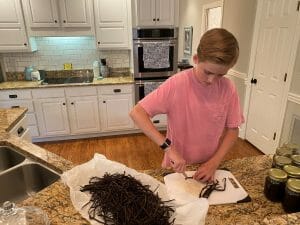
William Cabaniss prepares his homemade vanilla extract which he sells through his nonprofit Vanilla Feeds Tomorrow to raise money in order to fight food insecurity. Courtesy William Cabaniss
Finally, the “gray sky” time of recovery can go on for a long time, so this is the phase where sustained efforts carry the most value. Support a social entrepreneur, or a person who has identified a need that has not been met by traditional institutions, structures and systems. These innovators often lead creative solutions that can support disaster response and recovery. Take Daily Point of Light Honoree 14-year-old
, who sold more than $45,000 in vanilla extract, donating the proceeds to Second Harvest Food Bank of East Tennessee.
As always, volunteering is the backbone of how nonprofits and NGOs deliver their missions to serve their communities. There is always a volunteer gap once media attention wanes, so consider how you can continue to support an 18 to 24-month-longprocess of rebuilding and recovery. Long-term recovery groups need help rebuilding homes, offering translation services, and providing pro bono legal and financial advice. Choosing an organization now that does work that resonates with you is a good way to ensure you’re trained and ready to help when disaster comes.
“We knew that for those Ukrainians who stayed we have to offer some long-term help,” said Agnieszka. “And that this help has to be wise, focused not on the basics needs but on social adaptation, work, education, psychological help. So, we needed specialists, cooperation between different organizations regarding their experience and funds.”
Centrum Wolontariatu shifted its focus to long-term recovery and assimilation, helping displaced Ukrainians to learn Polish, find jobs, get support in building new lives in Warsaw.
The organization’s learnings reflect what disaster preparedness experts know all too well. Responding to disaster requires a multi-pronged approach, both from the organizations responding and community members themselves. Disasters can often feel chaotic, but by understanding the cycle, you can feel empowered to take hold of each phase by taking action that builds resilience in your own community.
, which means disaster and how we respond to it is top of mind for many. That’s what prompted us to speak with two renowned disaster preparedness and response experts to get their best advice:
, a disaster preparedness and response expert with more than a decade of hands-on experience. They shared their perspective on their work, which has resulted in a five-part blog series, our answer to National Preparedness Month, and begins with this open letter from them both.
There are things each of us can do to foster community empowerment that will mitigate the effects of disaster on the people and places we know and love. These actions are critical to building resilient communities. To nonprofit/NGO crisis leadership teams, corporate citizenship team and anyone who recognizes the urgency we face around climate change, the disasters it can spawn, and the urgency of cultivating our response to those disasters, this series is for you.
is a resource that offers insights and strategies to empower you to take action before, during and after a disaster. You’ll also learn how to be an advocate for those affected by disasters.
, temperature shifts alone can have significant impacts on communities, causing more than five million deaths each year globally from excessively hot or cold conditions. And these extremes inevitably exacerbate natural and human-made disasters, both in severity and frequency. As disasters happen around the world, more people are scrambling to deal with the far-reaching consequences. It is not a matter of if but when these aspects of climate change affect all the communities where we live and work.
Considerations for National Preparedness Month
Take Care of Yourself and Your Family
Advance planning is the key to staying safe during a disaster. There are plenty of things you can do now to prepare for an emergency:
Figure out in advance how you would get to your nearest safe shelter and how you would communicate with loved ones if cell towers are down, for example, by purchasing a long-distance calling card.
Build an emergency kit that goes beyond nonperishable food and water to include prescription medications, important documents, batteries and local maps. This kit should sustain your household for seven days.
Don’t forget to safeguard your important documents. You may consider using a fireproof and waterproof box or safe.
If possible, save funds for an emergency. Ask yourself: how much money can I save each month? For many, saving a little at a time works best.
Take Care of Staff and Volunteers
Whether activating from an NGO, nonprofit or corporate perspective, prior to responding to a local disaster, work cross-functionally to create a staffing plan for those working throughout a disaster. Consider operations, HR, social impact, and other organizational functions, depending on your business model. Businesses should talk to NGO partners to understand their strengths in times of disaster and understand how, when and if a giving campaign will come into play. No matter what, start meeting with your team as soon as disaster is on the radar.
Outline shifts that account for both working hours and days off. Building rotation into your schedule in advance staves off burn out by allowing responders to mentally prepare for and maintain their work/life balance, knowing when they will be off duty.
Choose appropriate and safe volunteer opportunities that allow your organization to respond to a disaster in real time while keeping staff and volunteers safe. Train staff in standard policies and procedures to ensure volunteers are following safety protocols. Most importantly, teach staff how to make an informed decision in the absence of all information. This singular effort will empower them to be nimble and flexible in responding to community needs.
Before a disaster, plan what types of volunteer response activities your organization can support such as staffing heat relief or warming shelters. For organizations planning outdoor volunteer activities, consider policies that will keep participants safe. Annually review your volunteer safety policies and protocols. Create transparency with all stakeholders around when an event will be postponed, canceled, or moved to a different venue. When working in the field, orient volunteers on your natural and human-made disaster protocols.
Amplify Messaging from Local Experts and Officials
Often, word of mouth travels quickly in the disaster aftermath, which means it’s essential to review and update standard operating procedures and have a communication plan ready ahead of time. To combat misinformation, use your organization’s voice to support messaging from emergency management officials and reputable sources. Share safety tips on your organization’s social media channels. Promote messaging from trusted and experienced organizations around immediate food, shelter and safety community resources, and be sure to use familiar and simple terms everyone can understand.
Educate your followers on what they can do to be helpful, for example, by donating to a local nonprofit or NGO. While it may seem blunt to say, the truth is, what is most helpful to these organizations is money. Donating dollars means responders can get what they need in the right quantities, and if infrastructure isn’t wiped out, they can source from local businesses to help boost the economy.
Also, while it’s understandable that people want to jump in right away to help, communicate with your audience that patience is essential. It’s critically important to the safety and wellbeing of all to allow trained officials to deploy and restore operations in the impacted area.
Above all, organizations should communicate with compassion, concern and empathy while recognizing that people who are impacted by a disaster are likely experiencing stress, loss and suffering.
Expand Your Impact
Consider how to use the nine elements of the Points of Light Civic Circle®. Provide opportunities to listen and learn about climate change. Match community members with organizations doing advocacy work on how to cool down our planet or encourage people to use their Purchase Power to support ecofriendly and sustainable businesses. Combine Civic Circle elements to strengthen your impact.
Social impact leaders, this time is an opportunity to connect the everyday work you do to systemic issues. When it comes down to it, preparation and forethought are the best tools we have in addressing real and sustained change. So, even if you don’t have experience in disaster response, you can use your skills in tackling big, challenging problems. Our strongest assets are our grit, determination and collective knowledge, which means we can stay cool, no matter the temperature.
The Most Effective Ways to Donate to Disaster Relief
Disasters can occur year round, ranging from hurricanes to tornadoes, tsunamis to fires, floods to earthquakes and more. While disasters are undoubtedly devastating events for individuals, communities and the environment, they offer the opportunity to bring people together in support and solidarity for those affected. But donating to disaster relief isn’t always a cut-and-dry process. In fact, if not done with the right education and direction, donations to disaster relief efforts can actually hinder progress.
Fortunately, by being educated in best practices, you can more responsibly donate to disaster relief. Here are some insights and resources to help you make better decisions about how, when and where you donate when disaster strikes in a community you care about.
https://www.youtube.com/watch?v=6fZF4geMoCQ
Start With Education
It makes sense that when people hear about, read about or experience firsthand a disaster, they want to jump in right away. This is, in fact, encouraging, as it shows the willingness of individuals and groups to rally around those in need.
However, before getting involved,
is always the first step. When you start with getting educated on what happened, what is needed and who is working toward solutions, you can more effectively channel energy and resources toward the need. When disaster strikes, follow the guidance of experts and impacted communities before taking action.
“Figure out before how you’re going to help your community,” advised Chris Cameron, executive director of HandsOn New Orleans, at the 2023 Points of Light Conference. “Know what you need to do, and work to serve.”
If you’re in the United States, you can start by searching for your local disaster management municipality, officials and community leaders using the national database from
to ensure that any organization you’re donating to is tax exempt, as unfortunately, fraud becomes more prevalent during times of disaster response. Finally, an internet search for ‘How to Help [disaster name]’ will often yield results from local news media that have taken the time to aggregate the top 5-10 ways people can help. These items can range from volunteering to blood donation to feeding the survivors, to animal adoption and supplies based on the community’s changing needs.
Donate What’s Needed
In the immediate aftermath of a natural disaster, first responders and response organizations need to take the lead. Also important to keep in mind: this is not a time for individuals to mobilize without the call from experts. While it’s noble and necessary to share your time and talent through volunteering, wait until response organizations have put the call out inviting that type of involvement from the public. Read more about the role of volunteers in humanitarian disasters from the International Association for Volunteer Effort. This impactful organization is helping to prepare volunteers, both mentally and physically, to lend support throughout all four disaster phases.
While in-kind donations – goods and services – may be helpful at some point, monetary donations allow the response experts to do the most good possible. In fact, there have been situations where hundreds or thousands of in-kind donations were left at disaster sites, unable to be used and requiring clean-up efforts. In some cases, due to lack of people power, these donations actually sat for months before disposal, contributing to pollution.
So remember, in the wake of a disaster, monetary donations are the best way to contribute in order for organizations to best respond to rapidly changing conditions on the ground. Disaster relief funds allow organizations to obtain the specific tools and equipment they may need, including things like personal protective equipment (PPE), emergency vehicles and fuel, medical supplies and more. A disaster response organization will be able to properly allocate these funds based on the quantity needed, rather than sorting, transporting and shipping a host of in-kind donations.
“For many of us, it’s not a question of if but when a natural disaster will impact our community. Our goal is to equip individuals and communities with the tools and information they need to build disaster resilience,” said Megan Bultman, manager of The Allstate Foundation.
It’s not just what happens after a disaster that makes an impact. Actions taken before a disaster occurs have a significant impact on how severely a natural disaster impacts a community and its people. These actions – big and small – can help build the resiliency of a community. From
that support infrastructure improvements to regularly donating blood, every action matters.
Disasters present an opportunity for solidarity and support, but responsible giving is vital. You can equip yourself with the knowledge you need to be a responsible contributor before and in the wake of a disaster by checking out resources from experts. Educate yourself on the situation, needs and expert guidance before taking action. The most effective thing you can do is to be proactive in building community resiliency, starting today.