
Meet Daily Point of Light Award honoree Jamie Morris. Read her story, and nominate an outstanding volunteer or family as a Daily Point of Light.
Jeep owners share a camaraderie that few other drivers get to experience. When Jeeps pass each other on the road, drivers will exchange the “Jeep wave,” a friendly wave or peace sign. And in recent years, you might have spotted Jeeps with dashboards lined with rubber ducks left by fellow Jeep owners, a viral movement known as “ducking” that began during the COVID-19 pandemic.
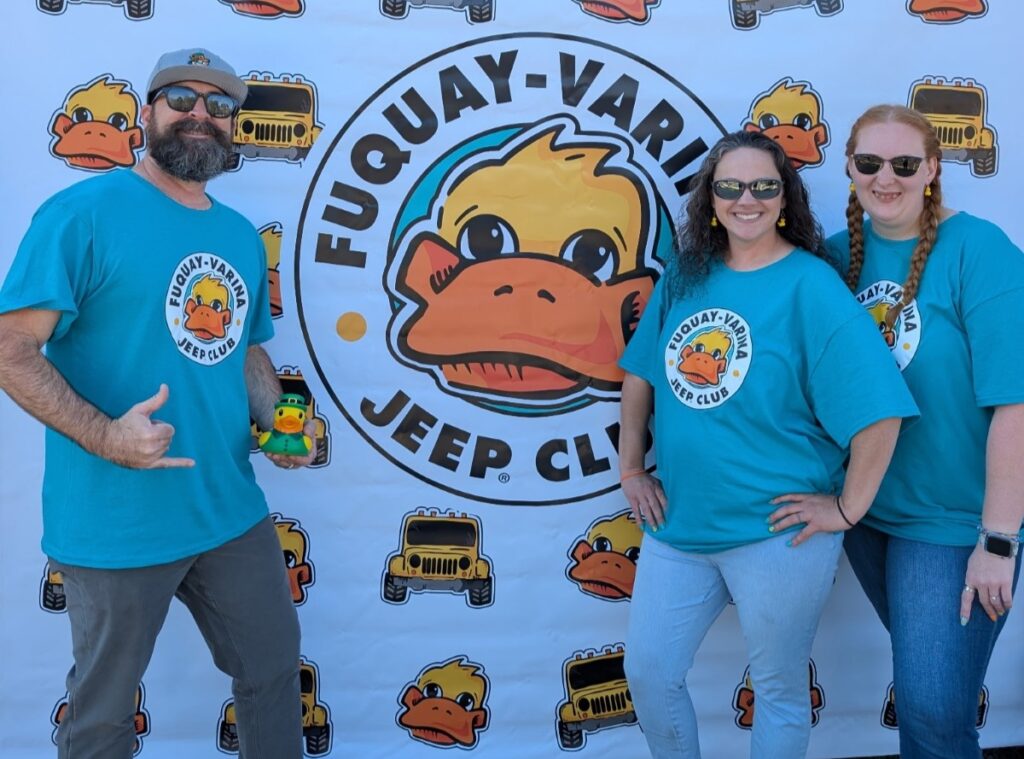
Jamie Morris joined the trend in 2020, leaving rubber ducks with her daughter on Jeeps around their hometown of Fuquay-Varina, North Carolina. As she met more and more Jeep owners, Jamie realized that the town didn’t have a Jeep club, so she started one called the Fuquay-Varina Jeep Club.
In 2021, the club joined a nationwide fundraiser for St. Jude and raised more than $10,000. The fundraiser’s success convinced Jamie that the group could be more than just a Jeep club, so in 2022, she turned it into an official nonprofit organization focused on volunteer service.
Now 39, Jamie leads the club as it supports local causes, having raised $63,000 for 15 organizations over the past five years through fundraisers like raffles, rubber duck races, car shows, and meetups. They even show up in times of disaster, such as when members delivered water to flood-stricken residents in Mebane, North Carolina.
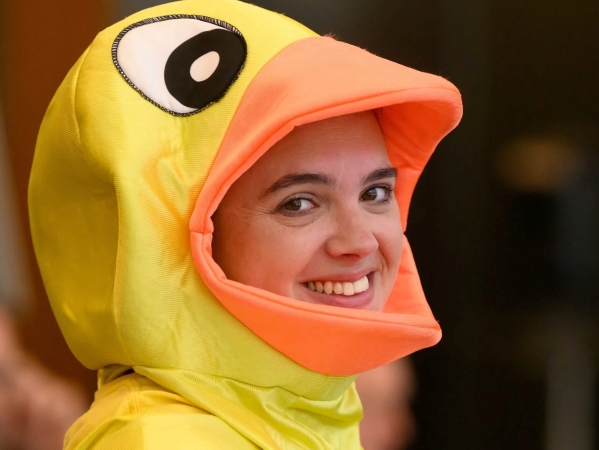
What inspired you to start the Fuquay-Varina Jeep Club?
In 2020, we were in the middle of COVID and everything was uncertain. I saw a movement on Facebook that started when a woman left a rubber duck on a Jeep, and a lady who caught her said she’d been having a really bad day, and the duck gave her something to smile about. It spread all over the world, with people leaving little ducks on Jeeps as a random act of kindness. I looked around and saw there was no Jeep club in Fuquay-Varina, so I thought maybe I should do something. I was hesitant, but my husband said, “Just do it. If nothing comes of it, so what?” So I put it on Facebook.
My daughter was 8, and the first thing we did was tag a box of ducks with a thank-you note. We delivered police and firefighter ducks to our local police department and all four of our fire stations, just to brighten their day.
In 2021, a woman in Illinois sent a stuffed duck with a GPS tracker through every U.S. state to raise money for St. Jude. Our club raised over $10,000 of the more than $125,000 raised nationwide. I thought, what if we do something more than just be a Jeep club? So we became a 501(c)(3) in 2022.
Every year, we choose at least three main charities and host a fundraiser for each. Our mission is also to raise awareness that these nonprofits exist. When we went through lists of local organizations, we kept looking at each other and saying, “We never even knew these places existed.” I’m sure other people don’t know they’re here either.
Which events and fundraisers mean the most to you?
For the past four or five years, we’ve been part of Special Olympics North Carolina. Our local police department takes part in the Law Enforcement Torch Run, and for the last three years we’ve joined the airplane pull at the airport, where teams of seven pull a plane 25 feet as fast as they can.
We’ve also held an annual rubber duck race for four years. People pay to adopt numbered ducks, we race them, and there are prizes for first, second, and third place. The money goes to an autism organization each year, and this year it went to an autism camp. My son was diagnosed with autism last year, so that one is especially personal. Next year, we’re raising money for a horse-riding program for people with special needs.
How does the club respond when disaster strikes?
After Hurricane Helene devastated the North Carolina mountains, we held a drive for blankets, clothing, towels, and household cleaners. We dropped everything off with a local off-roading business, and they sent a team to deliver it.
In 2025, Mebane couldn’t use its water because flooding hit the town’s water treatment facilities. I spoke with the manager at our local Walmart, who donated a pallet of water, and our club members donated cases too. We loaded up a couple of Jeeps and sent them out to deliver.
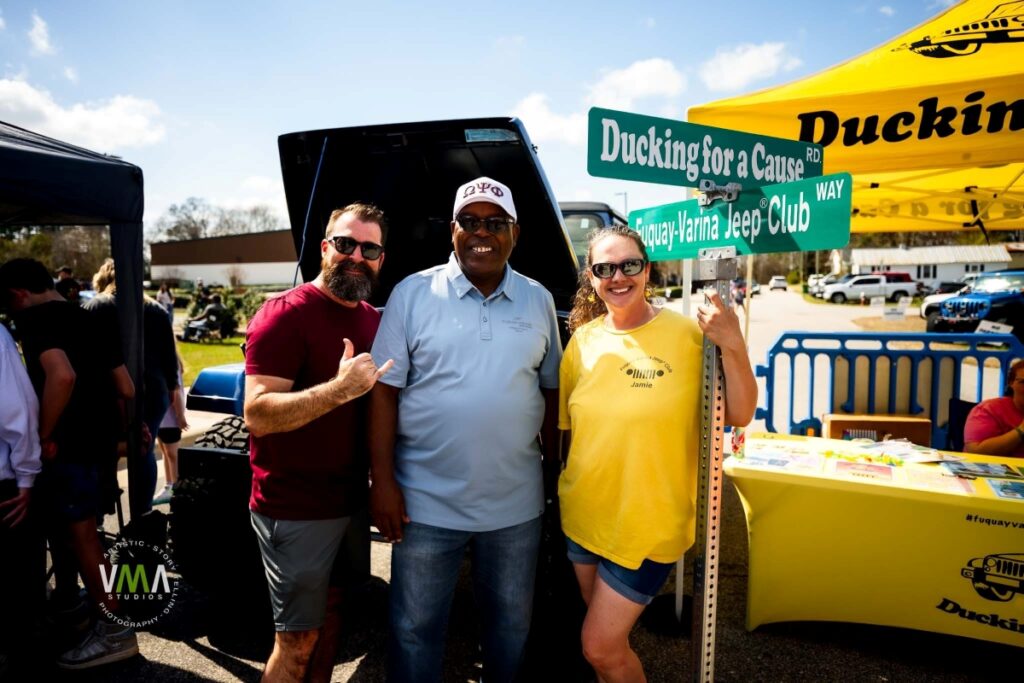
As founder and president, what does your day to day look like?
I volunteer about 25 to 30 hours a week leading our fundraising, events, and outreach. That includes developing partnerships with local businesses and nonprofits, securing sponsorships and donations, managing volunteers, and overseeing event planning and logistics. About 100 volunteers show up consistently, and every quarter we clean up a two-mile stretch of road through Adopt-a-Highway. I also work directly with local charities to understand what they need and find creative ways to help, whether that’s funding, resources, visibility, or hands-on service.
What kind of impact has the club made?
In five years, we’ve helped 15 nonprofits and raised $63,000. Our Facebook group has more than 2,600 members, and we have more than 3,000 followers across our other social media channels.
What means the most to me is the ripple effect. Last year, two other Jeep clubs in North Carolina saw what we were doing, showed up at our events, and asked for permission to start the same thing in their own communities. One of them is in Mebane, the town we raised water for. We set the groundwork, and now other people want to make the same impact where they live.
What’s the biggest lesson you’ve learned running a nonprofit?
Sometimes you have to know when to say no. My biggest problem is that I want to help everyone, and there aren’t enough hours in the day or enough resources to do that. But burnout is real. You need downtime to reset.
I have a son in kindergarten who has therapies outside of school every week, a daughter in high school, and my mother lives with us and I take care of her. I wear lots of hats, but I wouldn’t trade it for the world.
Any advice for people who want to start volunteering?
Don’t be scared. Just go for it. Walk up and say, “I’m happy to help. What can I do?” And if you have a service to offer or an idea, don’t be afraid to share it, because it could take off and become something really big.
What do you hope people take away from your story?
Don’t just say, “That’s a great organization,” and move on. If we don’t support them, who will? Everything is expensive right now, and a lot of people can’t afford to donate to local causes anymore. Without those funds, these organizations can’t operate, so it’s up to us to help them thrive and spread their mission, so they’re there when people need them.
Do you want to make a difference in your community like Jamie? Find local volunteer opportunities.