
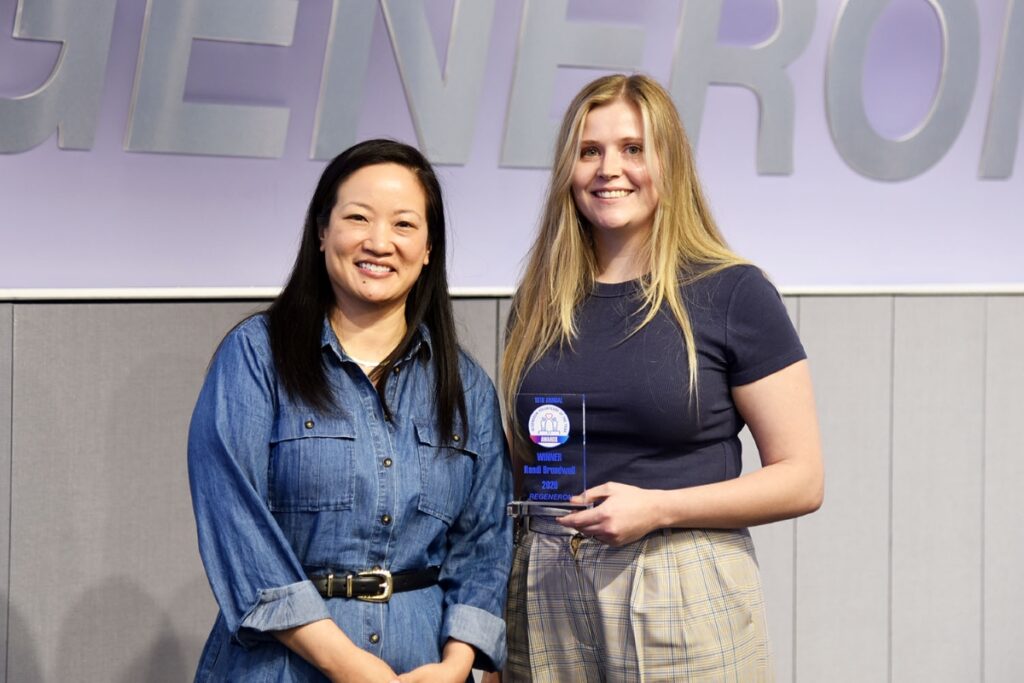
Meet Daily Point of Light Award honoree Randi Broadwell. Read her story, and nominate an outstanding volunteer or family as a Daily Point of Light.
Around the world, girls without access to period products often have to make do with whatever is on hand whether that be old rags, sponges or leaves. For many, that means staying home from school during their periods, and for some, it means dropping out altogether, closing the door on dreams of becoming a doctor, a teacher, or building any future they’d imagined for themselves. The MoonCatcher Project was founded to break that cycle, providing reusable menstrual kits, paired with health education, to girls in Kenya, Malawi and Uganda, alongside free period pantries across New York’s Capital Region.
Since joining MoonCatcher in 2024, Randi Broadwell has put her public health expertise and passion for volunteering to work for the cause, helping the organization track its impact and expand its reach. Her commitment carried her up through the board, from co-vice president to now co-president. Between governance, managing pantries, and coordinating fundraisers and volunteer events, she now dedicates around 400 hours a year, grounded in the knowledge that a single $7 kit can keep a girl in school for years.
What first inspired you to get involved with The MoonCatcher Project?
I did a public health volunteering fellowship in South Africa after I graduated from college, which inspired me to get my master’s degree in community-based primary health care. After that, I was looking for a place to use what I’d learned. Regeneron, where I work, has a volunteer week called Day for Doing Good, and I signed up for a MoonCatcher event in 2023. I’d already learned about period poverty in my master’s program, so it really resonated with me and it’s an organization local to me, so I felt like I could make an impact both abroad and in my own backyard.
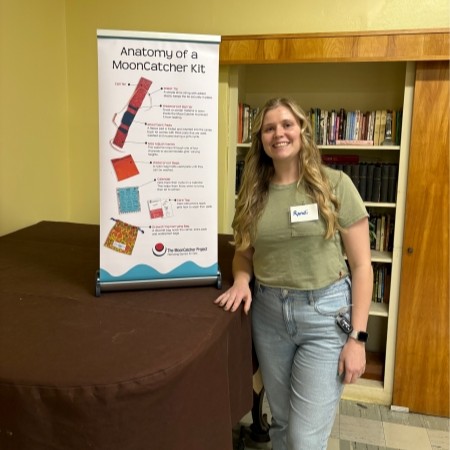
Can you explain what period poverty is and what MoonCatcher’s mission is?
In simple terms, it costs money to safely take care of your period. If you’re already living below the poverty line, that’s another expense on top of everything else. In New York state, the average amount women spend on period products per month is about $15. Girls around the world often drop out of school because they don’t have a way to safely and cleanly handle their periods, and that keeps a cycle going. That’s why we give reusable kits to our global communities. The reusable kits are fitted to size, so girls can use them for five, six years or longer. In the U.S., people tend to prefer disposable products, so we stock free, 24/7 period pantries outside businesses.
What does your role involve day to day?
We’re a smaller organization, so as board leadership, I work with our bookkeeper to make sure the board understands our financials and can make informed decisions about funding. That connects to sending money to our sewing guilds in Kenya, Malawi and Uganda, looking at fundraising logistics, and community outreach and period product drives with local businesses.
Of all your responsibilities, which is your favorite?
I love events and talking to people, but my strength is really the data. Whether I’m pulling spreadsheets from the period pantries for a grant application or an end-of-year report, I love being able to show people the good we’re doing with the numbers we have. That’s my favorite part — showing people the impact and why it matters.
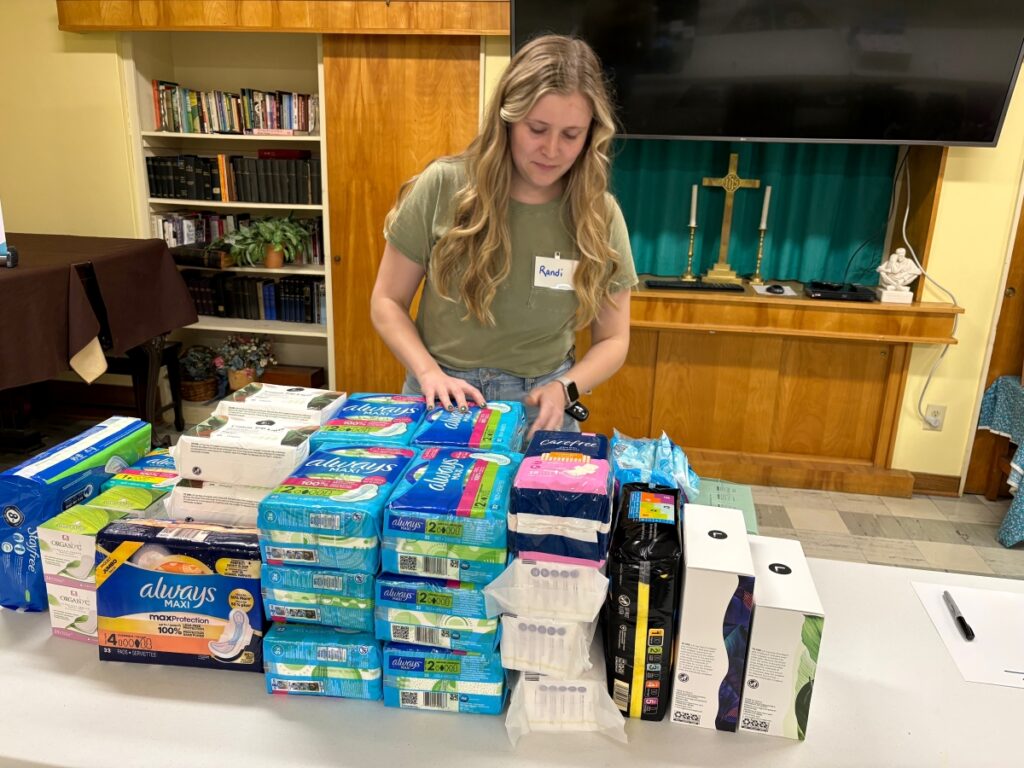
What kind of impact has MoonCatcher made?
Last quarter alone, we gave out more than 17,000 period products across our pantries in the Capital Region. Since I joined, we’ve added pantries in Troy and will soon open one in Saratoga. Abroad, I hear the stories from our executive directors who’ve seen the kits firsthand. Girls who no longer have to worry about missing school, who are dreaming about becoming doctors, going into hospitality, going into sales. Seeing that impact is what stays with me.
Why are you so passionate about equal access to period products?
It’s something so small that can make the biggest difference. We’re not just handing girls a kit, we’re creating jobs for the women in Kenya who sew them, and we’re pairing every kit with a health curriculum, so girls understand what’s happening with their bodies. A $7 kit is barely the cost of a cup of coffee here, but it can keep a girl in school instead of getting married off or going straight to work because she can’t manage her period. It’s about giving girls the chance to choose what they want to do with their lives.
What are your long-term goals for MoonCatcher?
I’d love for more people to recognize the organization and the issue of period poverty. So many people I talk to are hearing about this for the first time. In the next five years, I want more people to know this problem exists and to know MoonCatcher is the organization helping solve it.
What do you hope people take away from your story?
I hope people look more into period poverty. It’s one of the UN’s Sustainable Development Goals, and it hasn’t gotten much attention until recently, even though half the population bleeds. I also want people to know it doesn’t take a lot of money or time to change somebody’s life.
Do you want to make a difference in your community like Randi? Find local volunteer opportunities.